Málaga is best known for sweet wine, made from Moscatel and Pedro Ximénez. You still drink it from the barrel in the old bodegas of the centre. But in the city's wine bars and in the mountains around it you will also find dry wine from small producers. Below are the addresses in Málaga, the wineries nearby and the wine bars in Marbella.
The classics in the centre
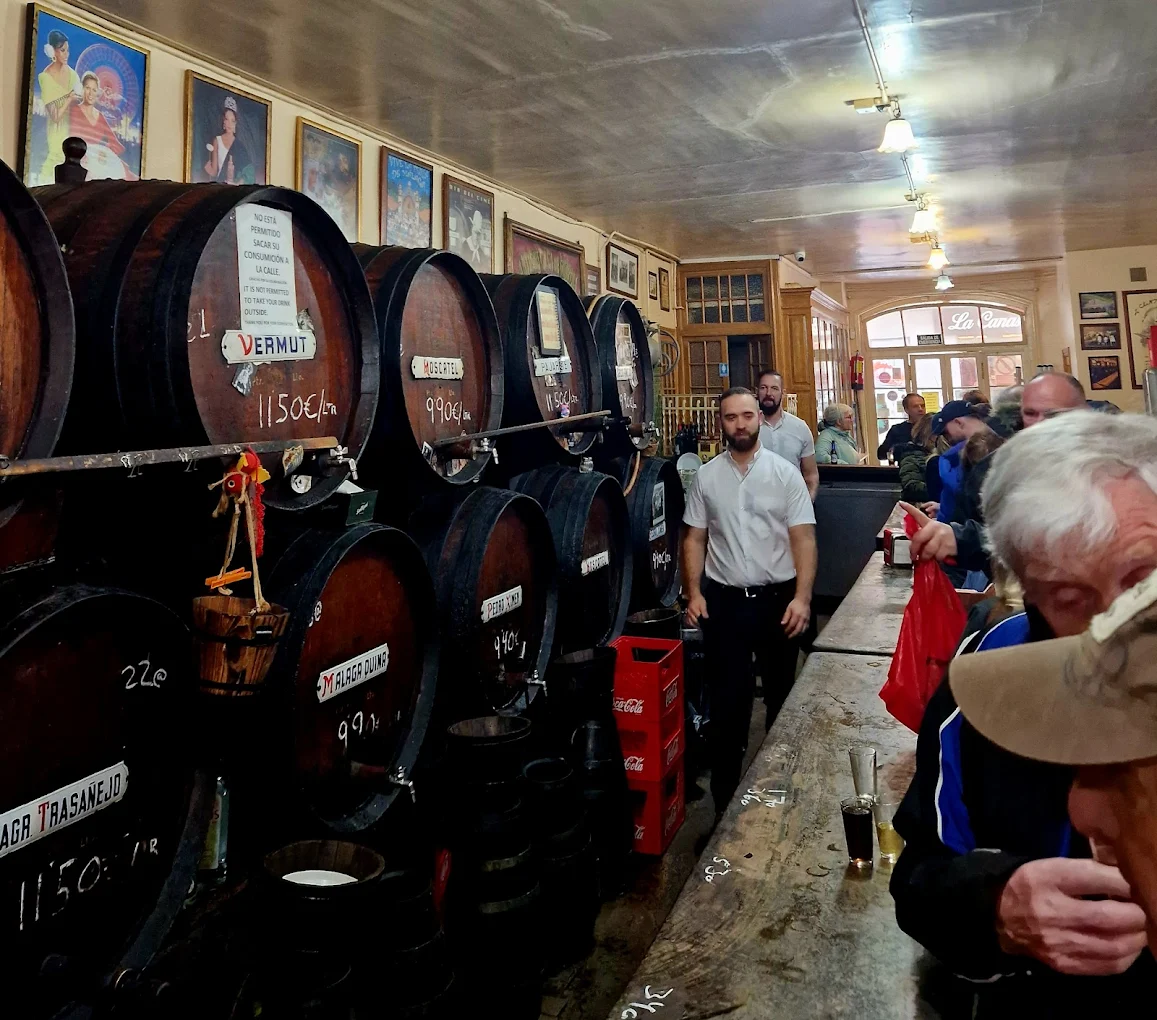
Antigua Casa de Guardia on the Alameda Principal is the oldest wine bar in Málaga, open since 1840. Along the back wall lie 24 oak barrels, and the barmen pour the wine straight into small glasses. Your bill is chalked on the bar. Try the Pajarete, a semi-sweet wine typical of Málaga, or the dry Seco Añejo. A glass rarely costs more than a few euros.
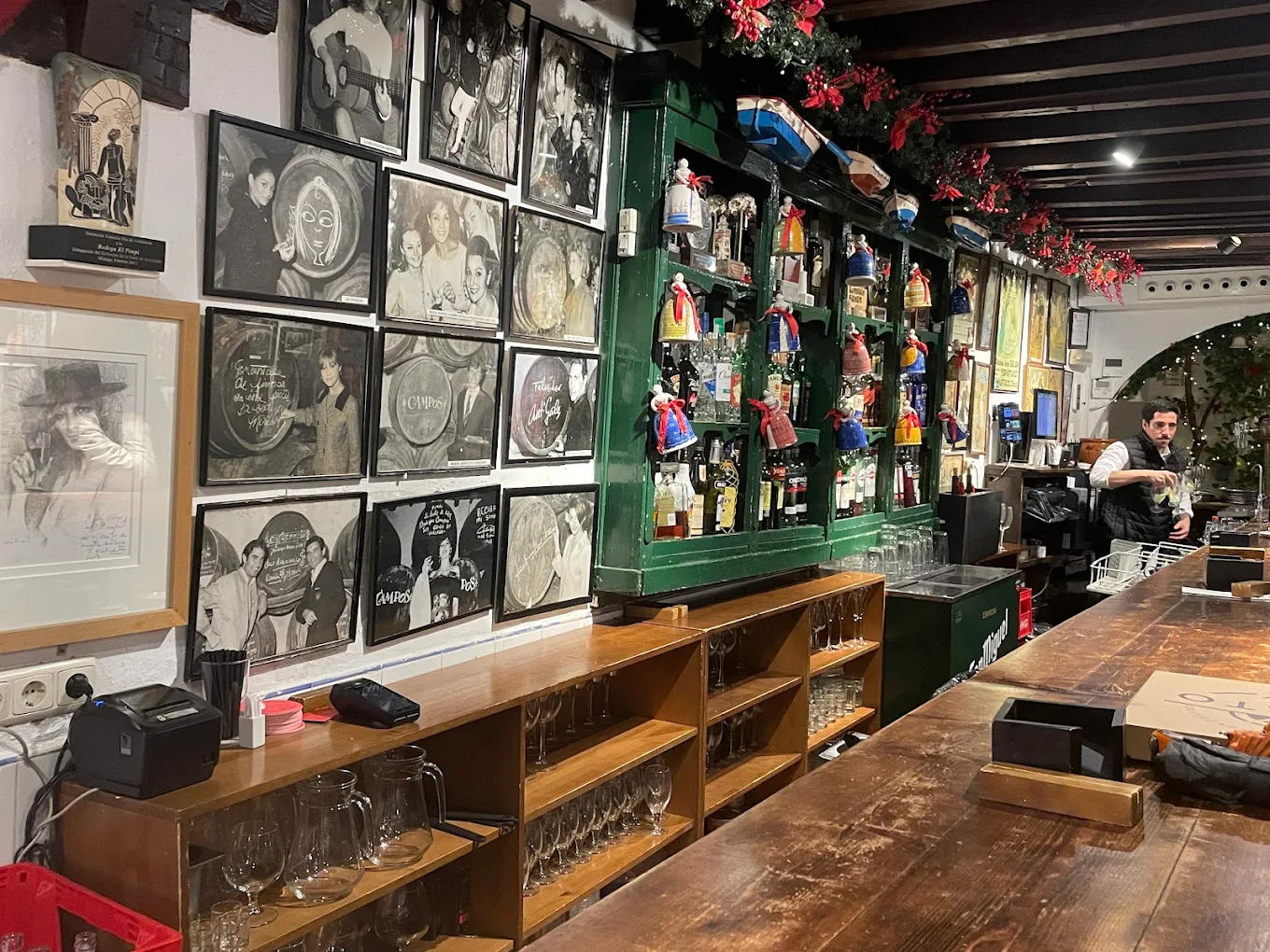
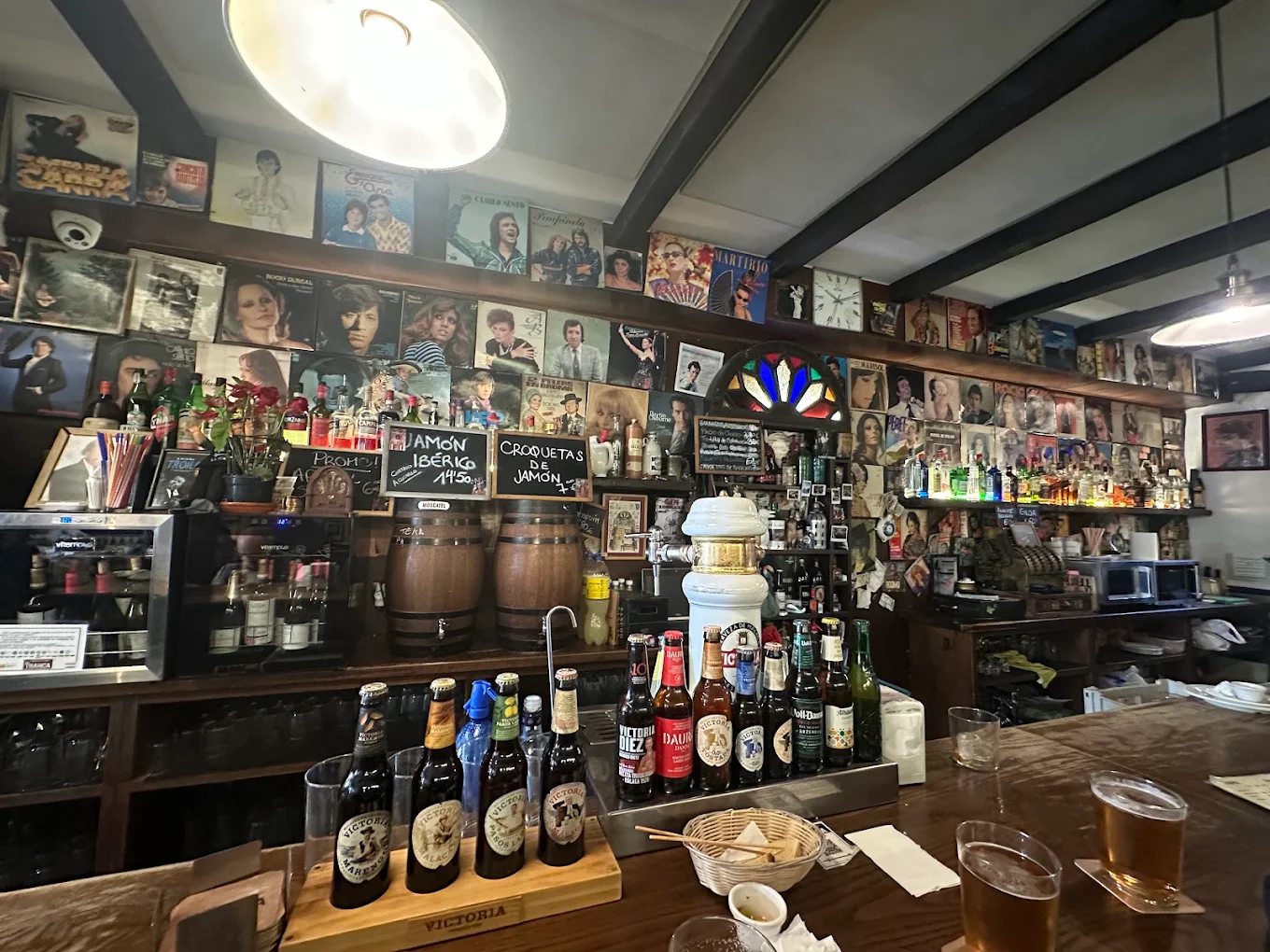
El Pimpi, in an 18th-century mansion opposite the Roman theatre, is a little touristy, but always lively. The list is built around wines from Málaga and the Sierras de Málaga, from producers such as Doña Felisa and Jorge Ordóñez. Order a vino dulce. At La Tranca on the Calle Carretería you drink the house vermouth, among classic tapas and a loud crowd.
Wine bars for new discoveries
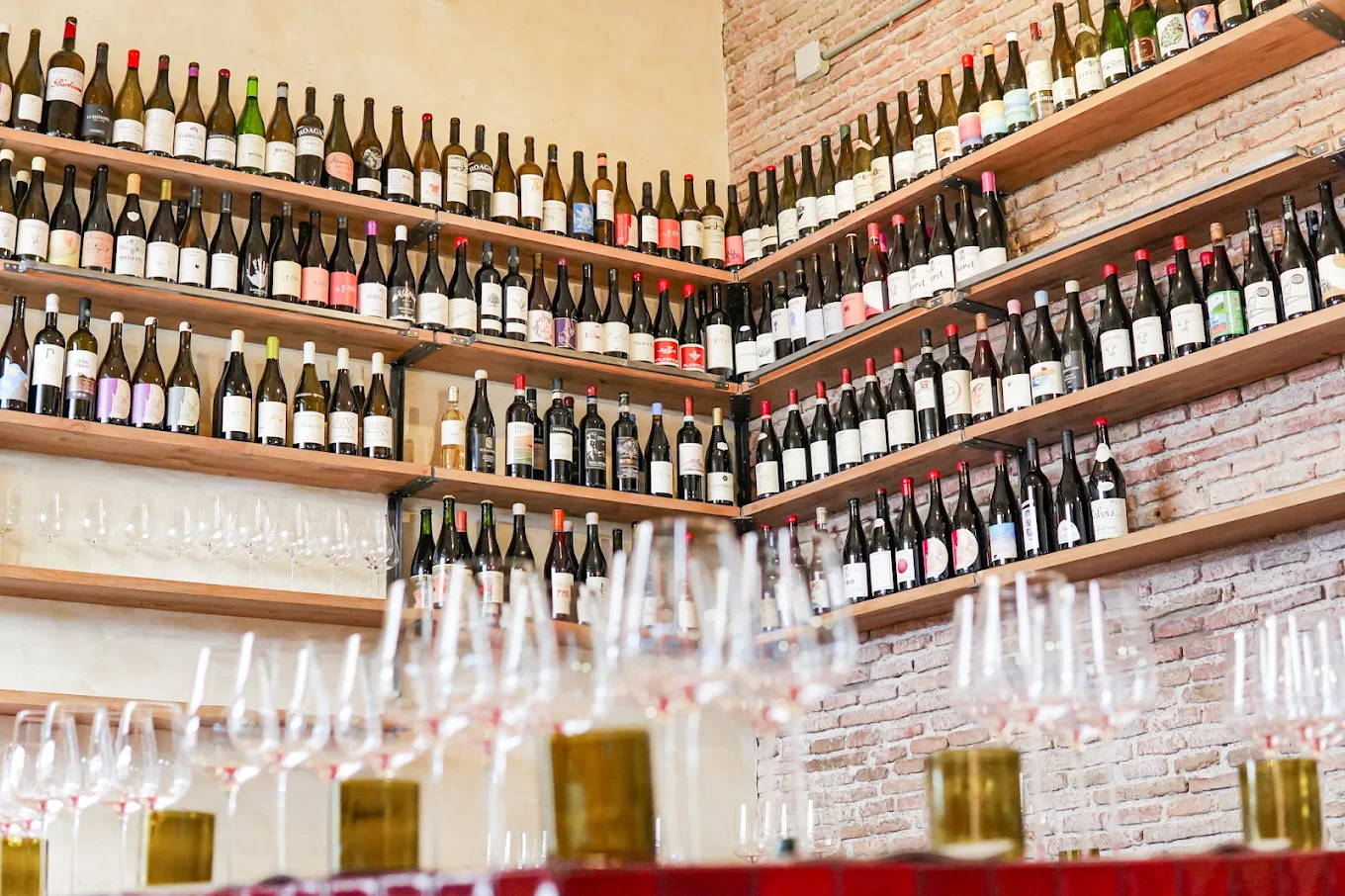
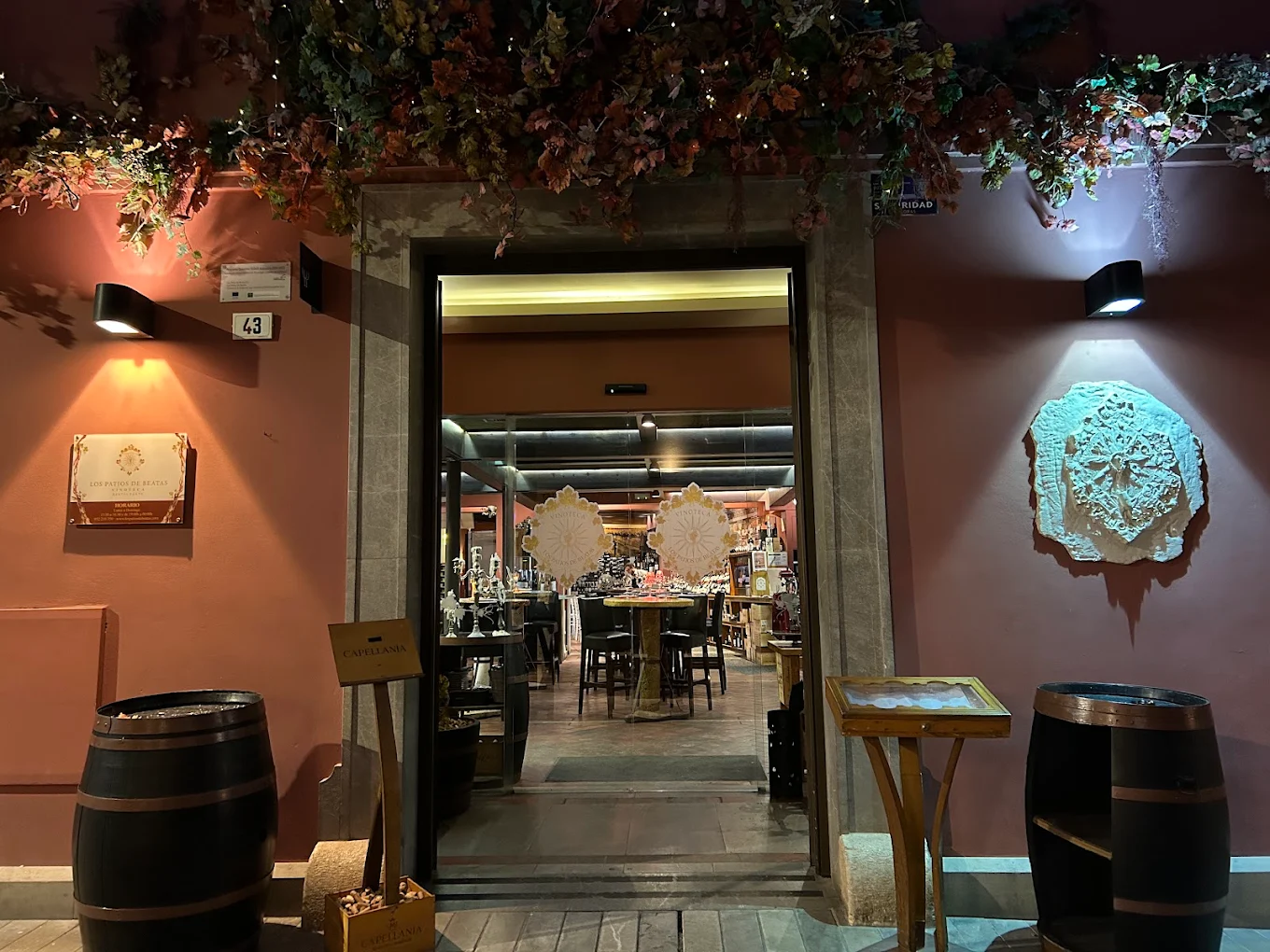
Los Patios de Beatas, close to the Picasso Museum, has more than 600 wines, over 50 of them by the glass, in two restored buildings with patios. At Vertical you don't just order a glass: sommelier Julio Barluenga first asks what you like and then lets you taste wines from small producers. Book, because it is small.
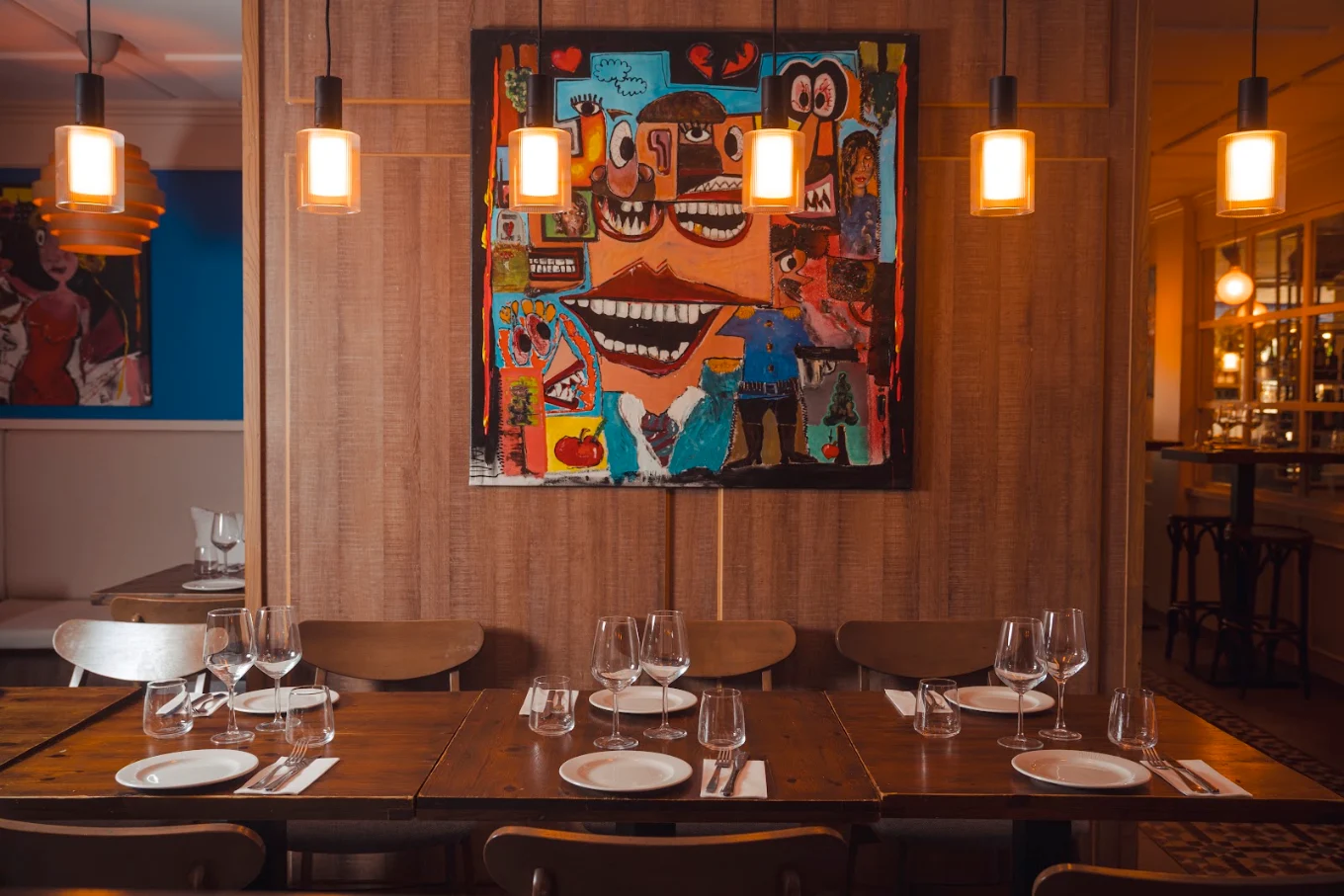
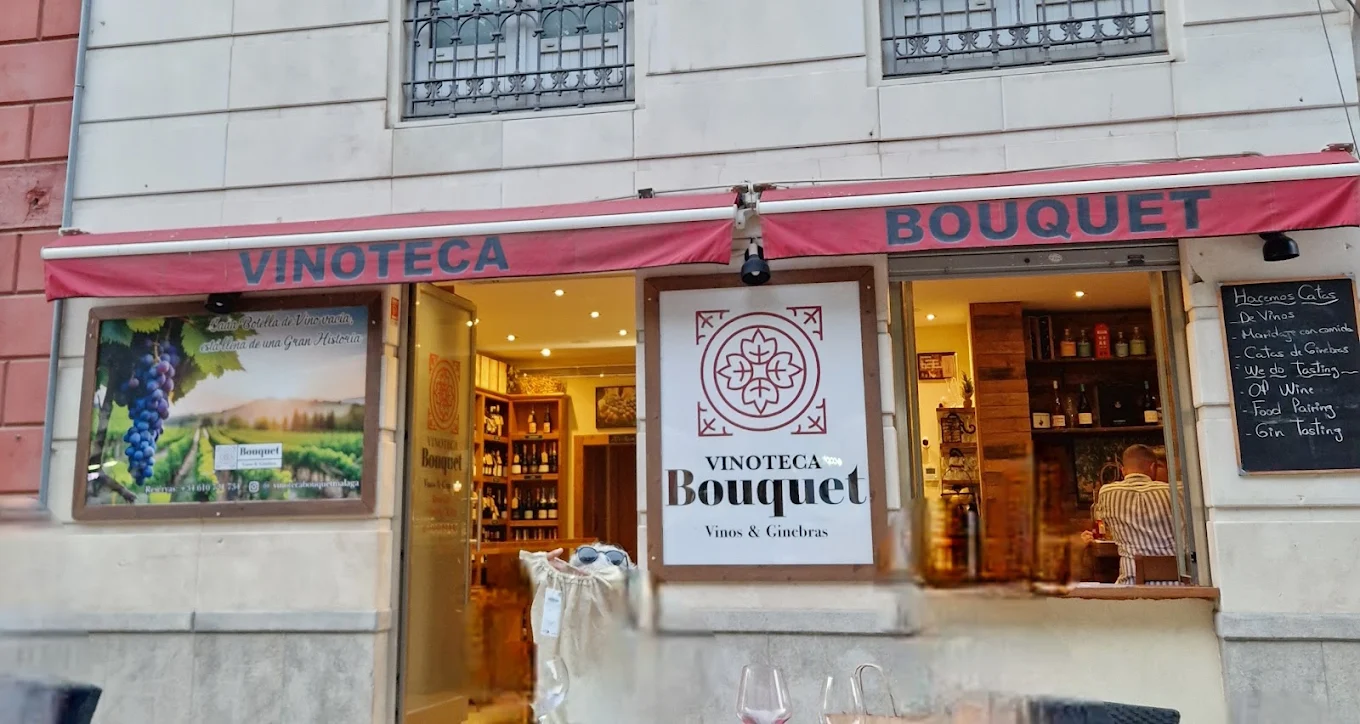
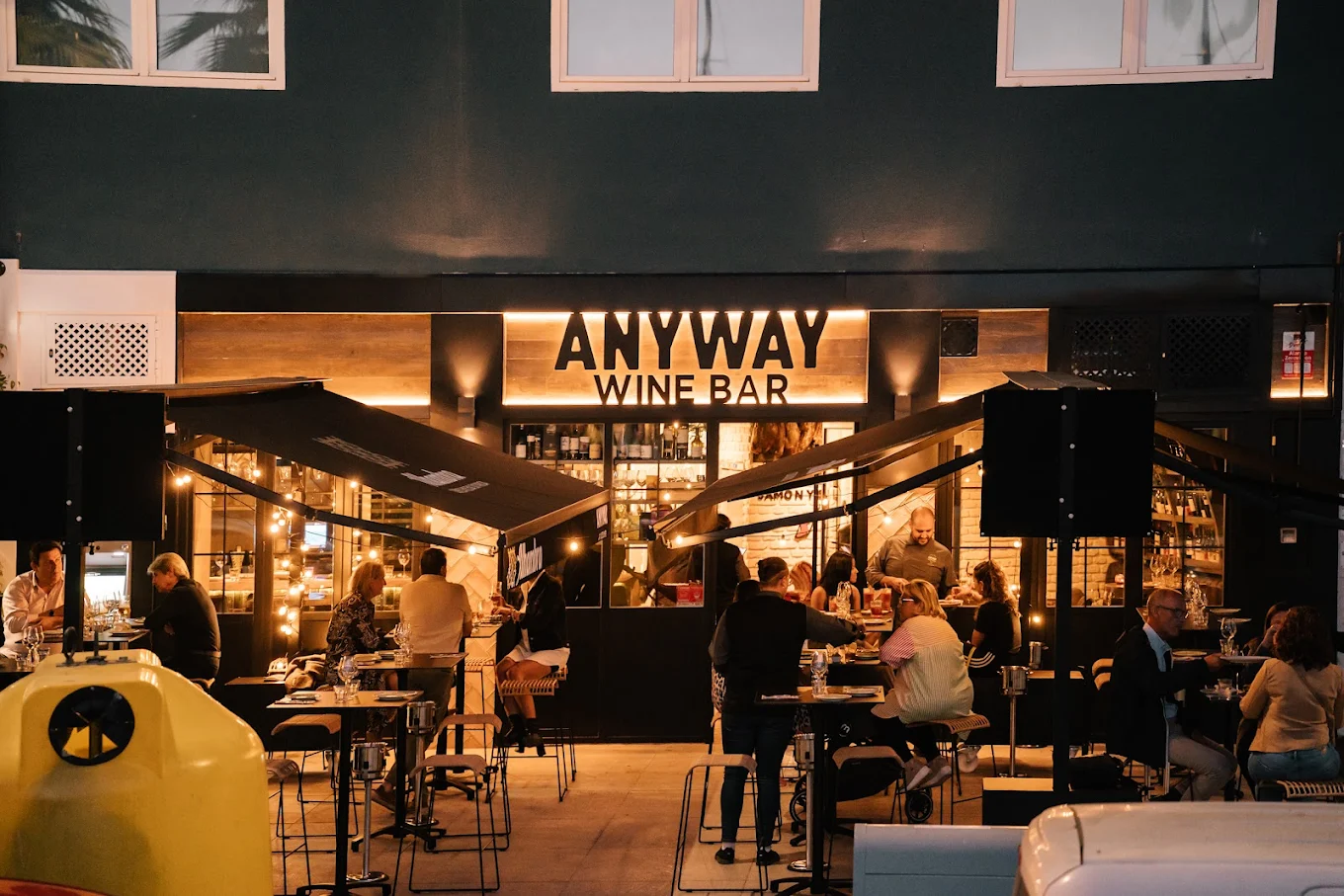
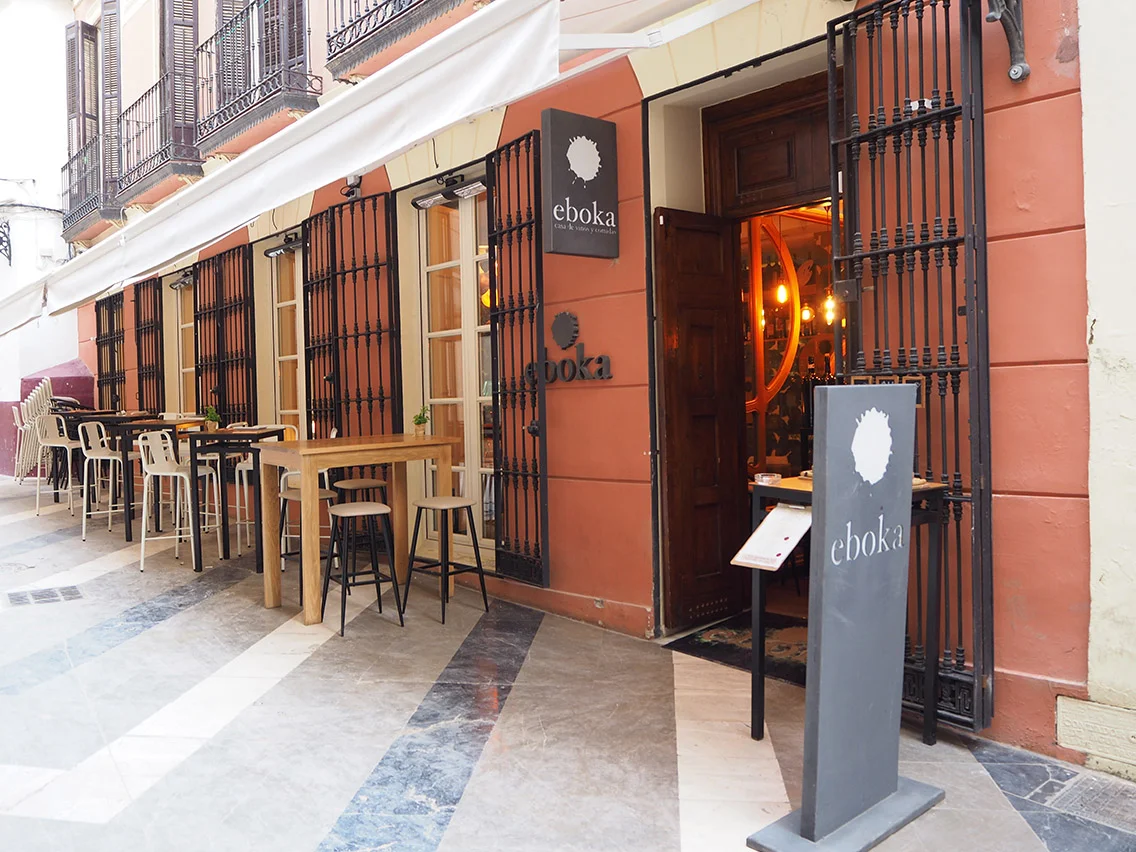
Descorche on the Calle Álamos has many wines from Málaga and natural wine, and the small dishes are matched to the wine. Come here to taste something other than the well-known Rioja and Ribera del Duero. At Vinoteca Bouquet on the Alameda you get an explanation with every wine from the two Cuban brothers who run it. Anyway Winebar by the harbour pours mainly Spanish wine, with a lot by the glass, from sherry to red. If you want to eat, go to Araboka near the cathedral: the list has many wines from the province of Málaga, and with the menu you get a sweet Málaga wine with dessert.
For a bottle to take away, go to Crespillo Innova, a wine shop and butcher in one. Top Spanish wines cost a good deal less here than in the Netherlands.
Wineries around Málaga
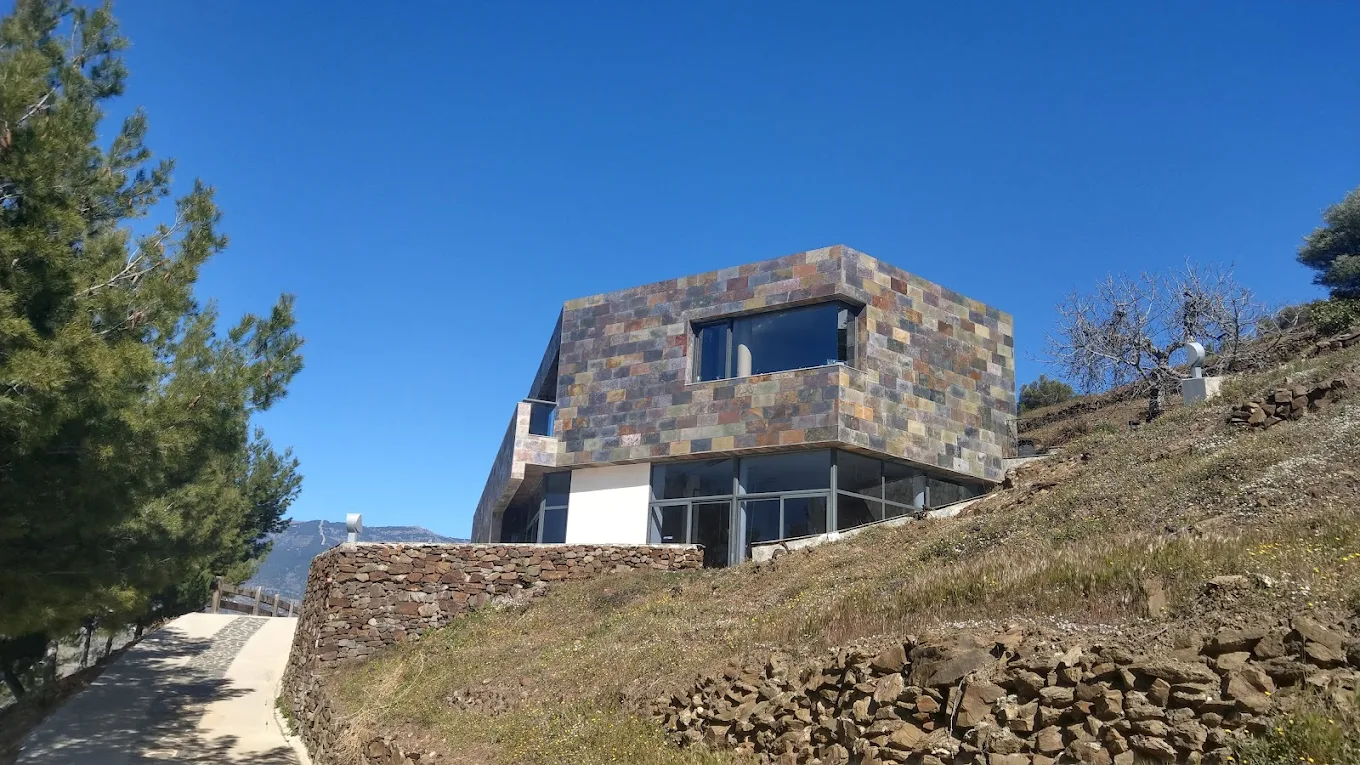
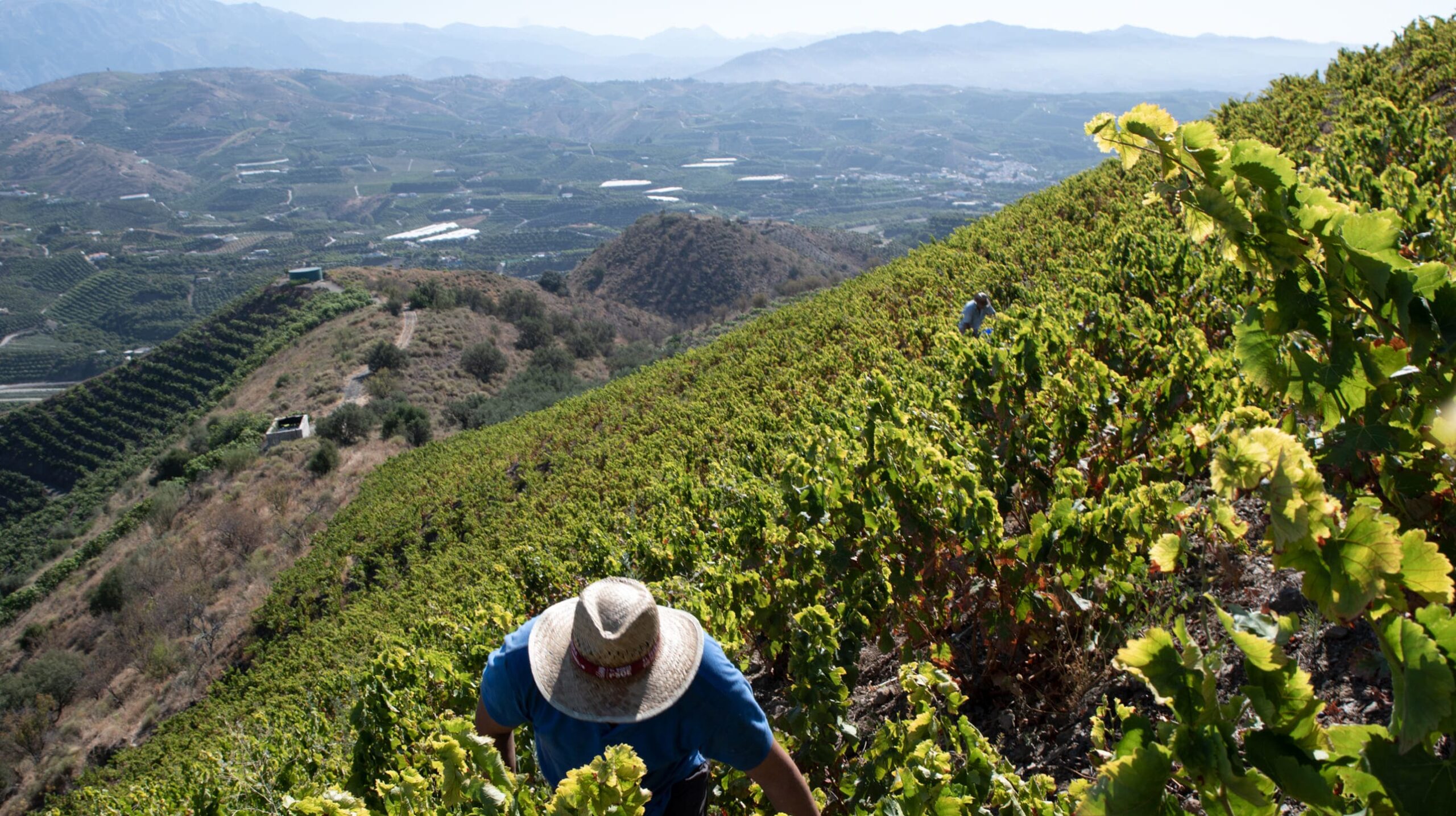
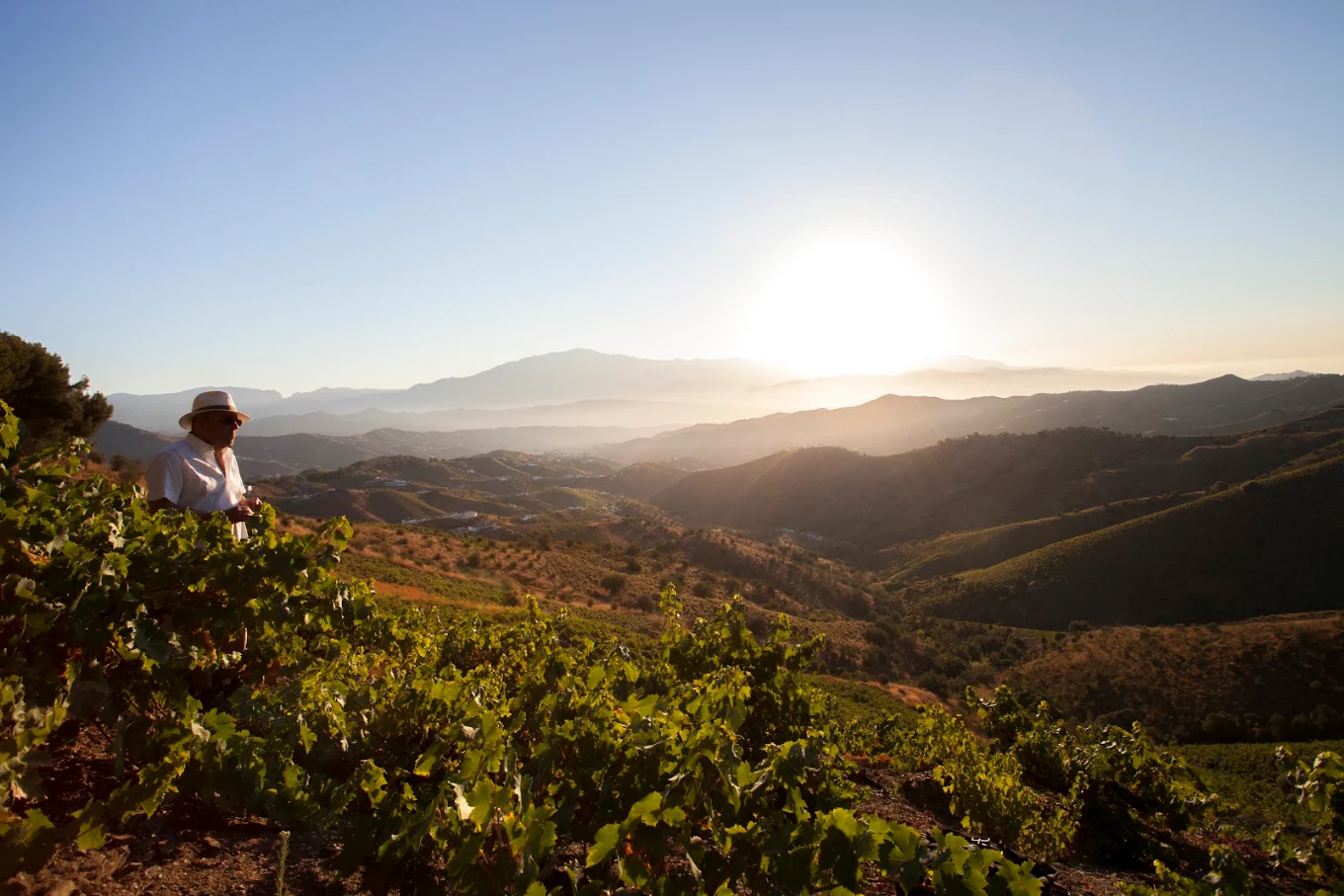
Bodegas Quitapenas in Churriana, founded in 1880 and now run by the fifth generation, is close to the airport. You taste three or four wines there, with cheese or Ibérico ham if you like. In the Axarquía, east of Málaga, the vineyards lie on steep slopes. Bodegas Bentomiz in Sayalonga was founded by a Dutch couple and lies at 500 to 800 metres, looking out to sea. Fabio Coullet in Almáchar makes dry wines from old local grapes, such as the almost forgotten Romé. That is unusual in a region known mainly for sweet wine. Bodegas Jorge Ordóñez in Vélez-Málaga, which specialises in Moscatel, also receives visitors by appointment.
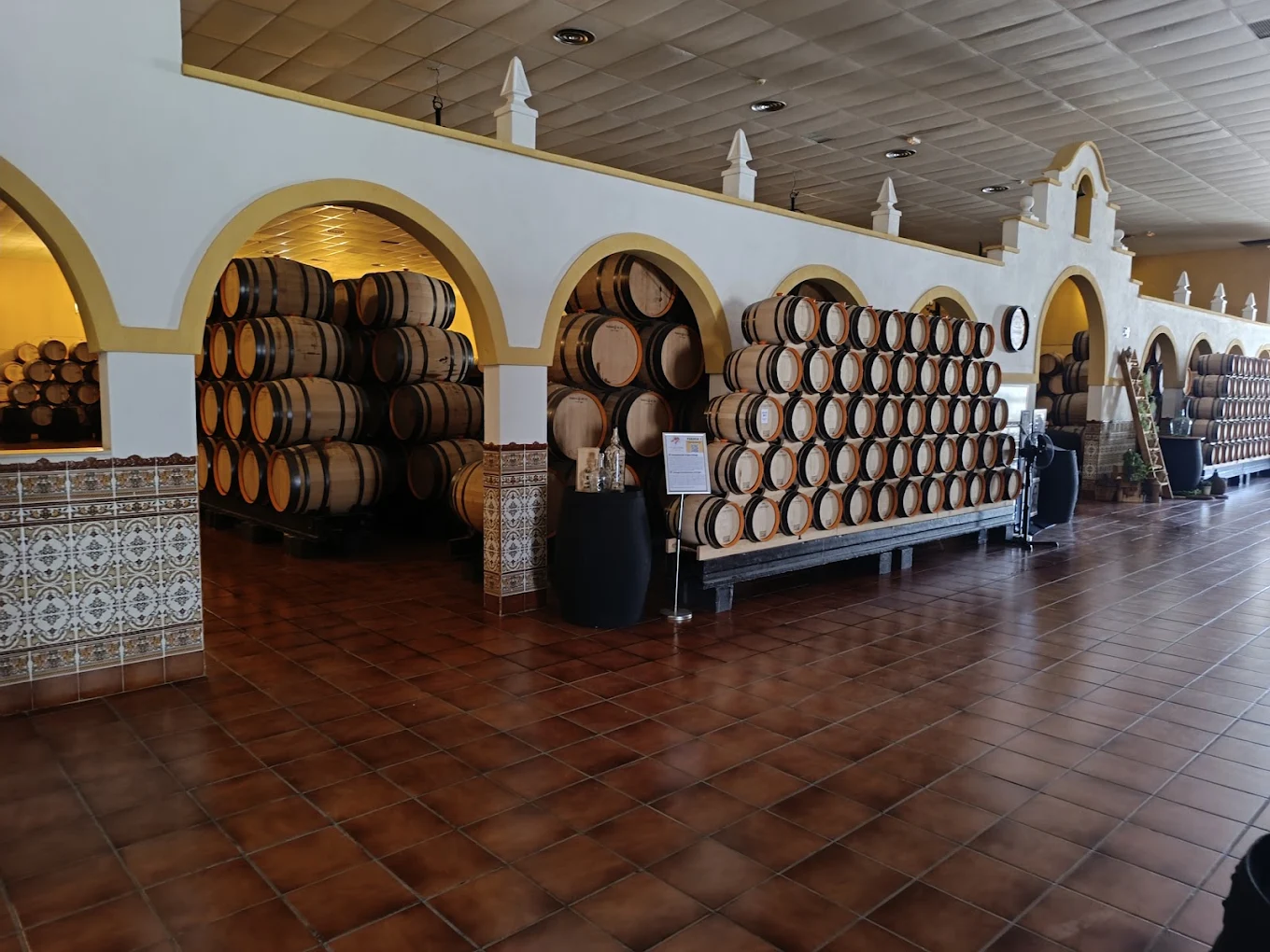
In the mountains near Ronda, Bodega Doña Felisa lies at around 900 metres, close to the Roman ruins of Acinipo. The tour takes an hour and a half, with a tasting and snacks. Near Manilva, on the coast, Nilva is saving the old Moscatel vines; the tasting takes place in a vineyard with views of Gibraltar and the African coast.
Marbella
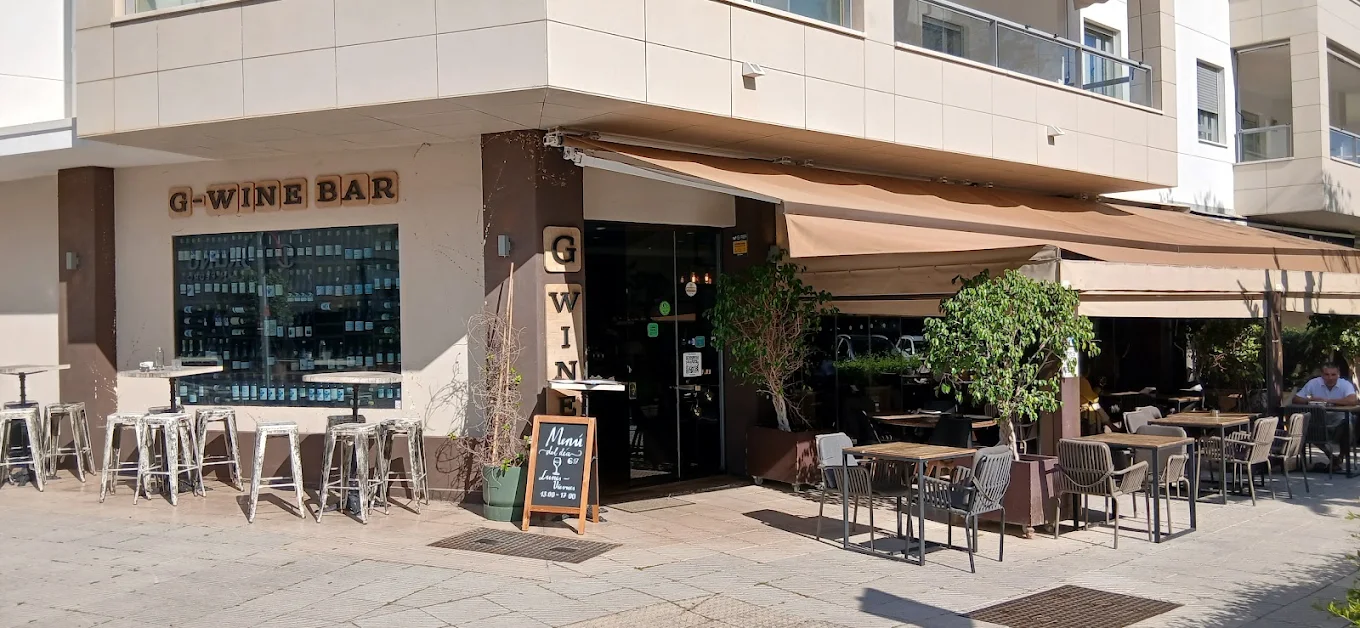
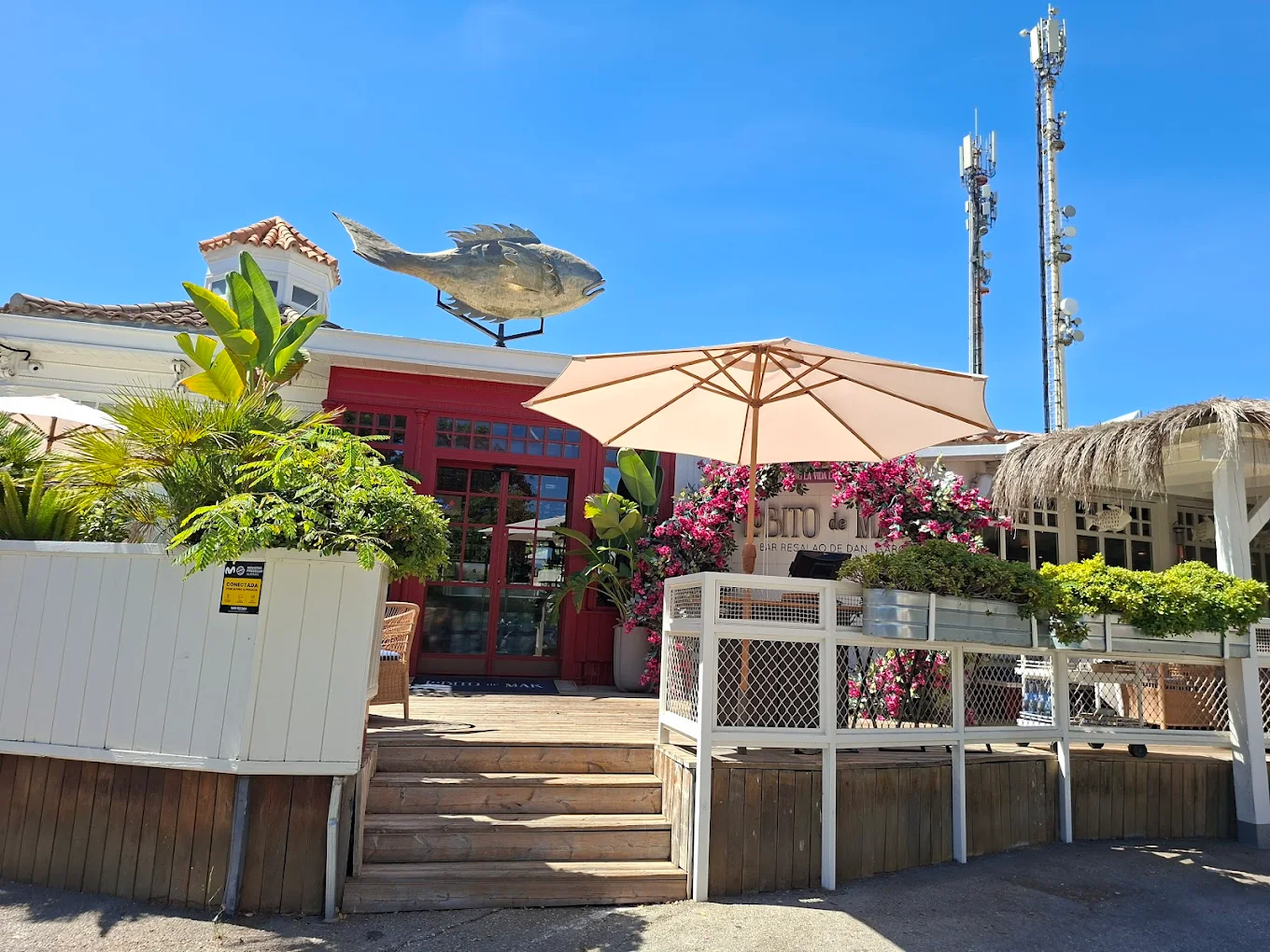
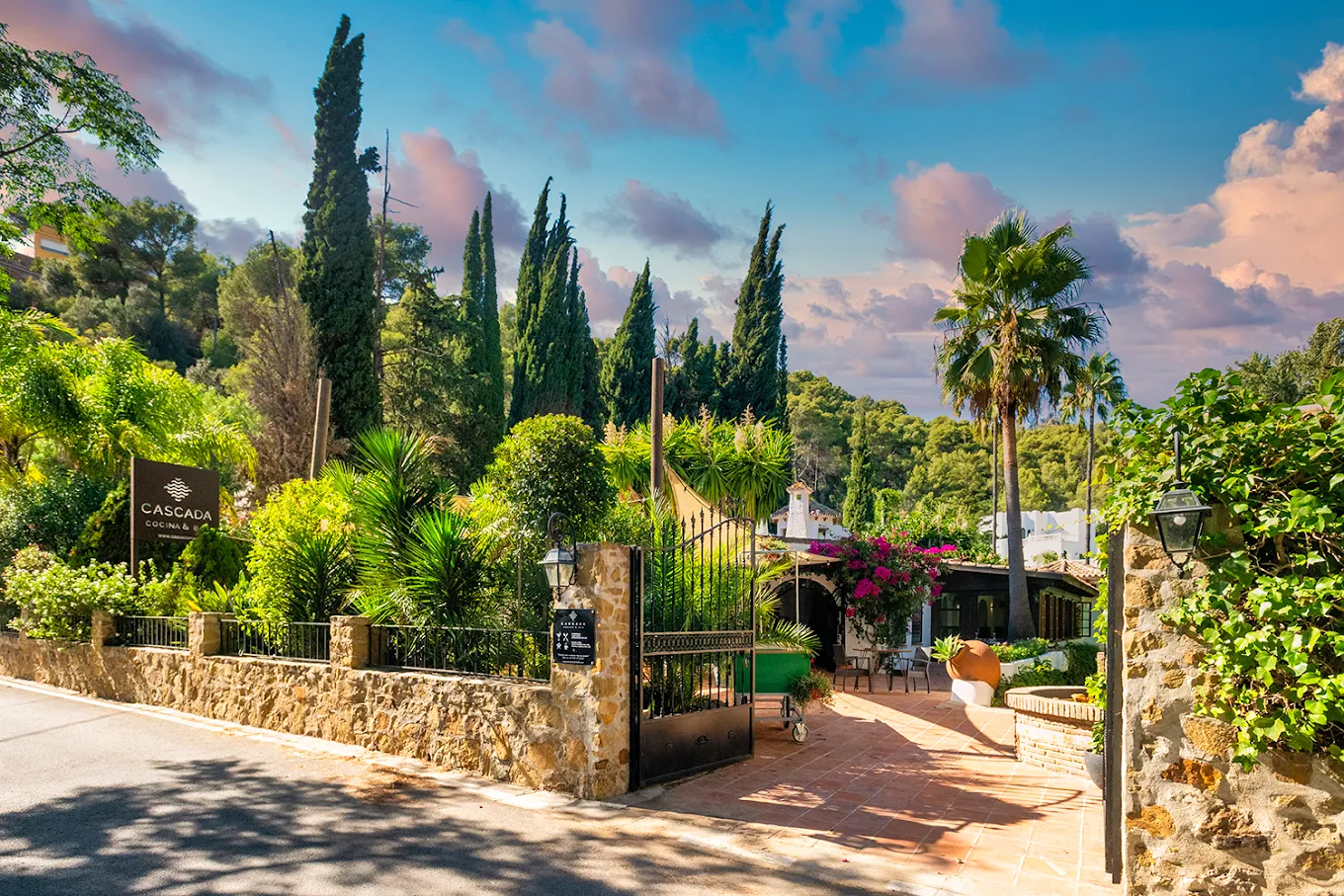
In Nueva Andalucía, sommelier Emilio Campos runs Adivino: wine bar, wine shop and gallery in one space, with guided tastings, blind ones too. G-Wine in San Pedro pours more than 25 wines by the glass, seven days a week. At Lobito de Mar you eat fish and bluefin tuna, in seventeen preparations, with a serious wine list. And Cascada, in the hills of the Sierra Blanca, has a five-course menu with a €30 wine pairing.
Tip
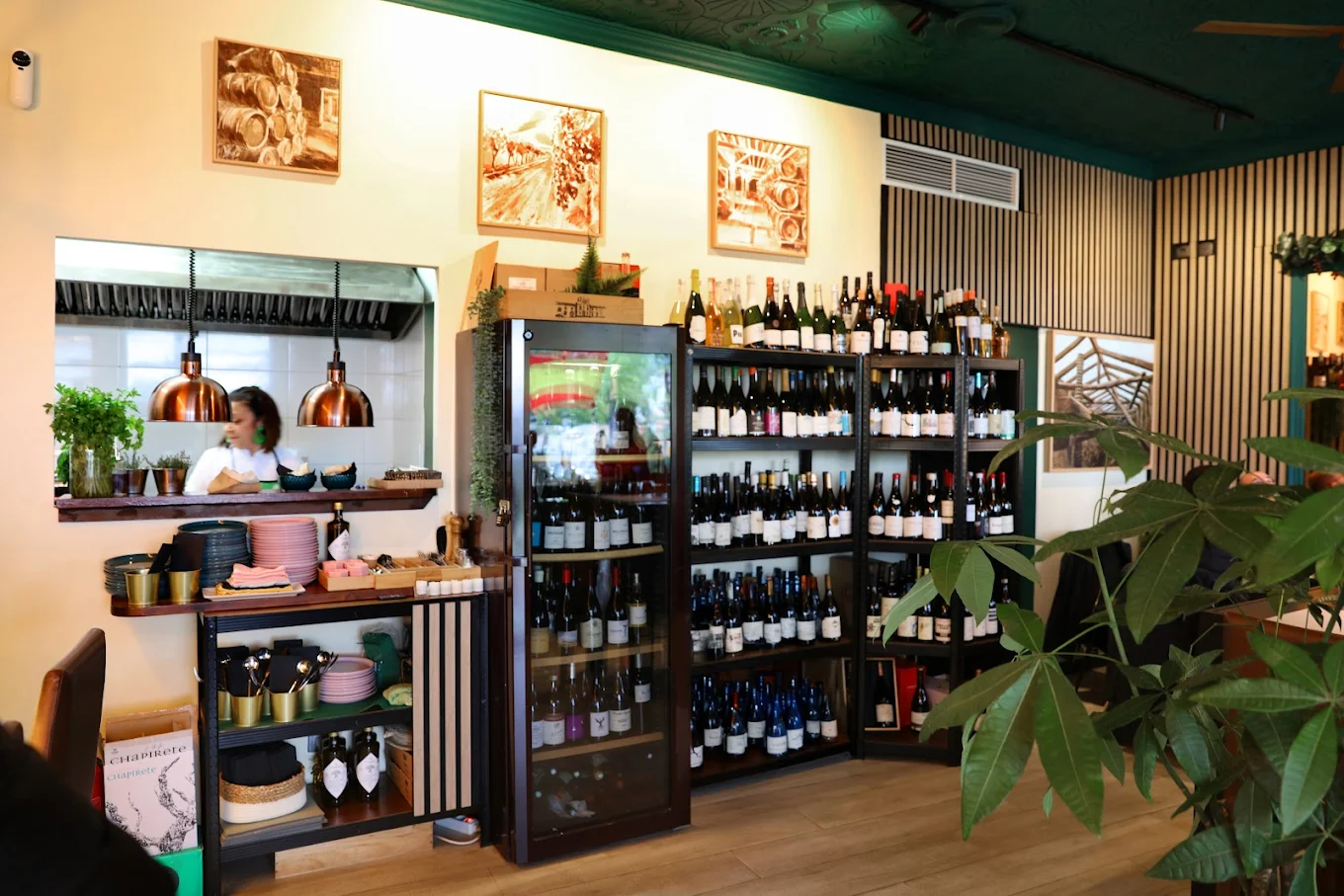
In Málaga, taste the wines of the region itself, sweet and dry. Many restaurants mostly pour well-known wines from Rioja and Ribera del Duero, while the wines from the province itself are far more interesting. All addresses are also in the Málaga & Marbella guide.