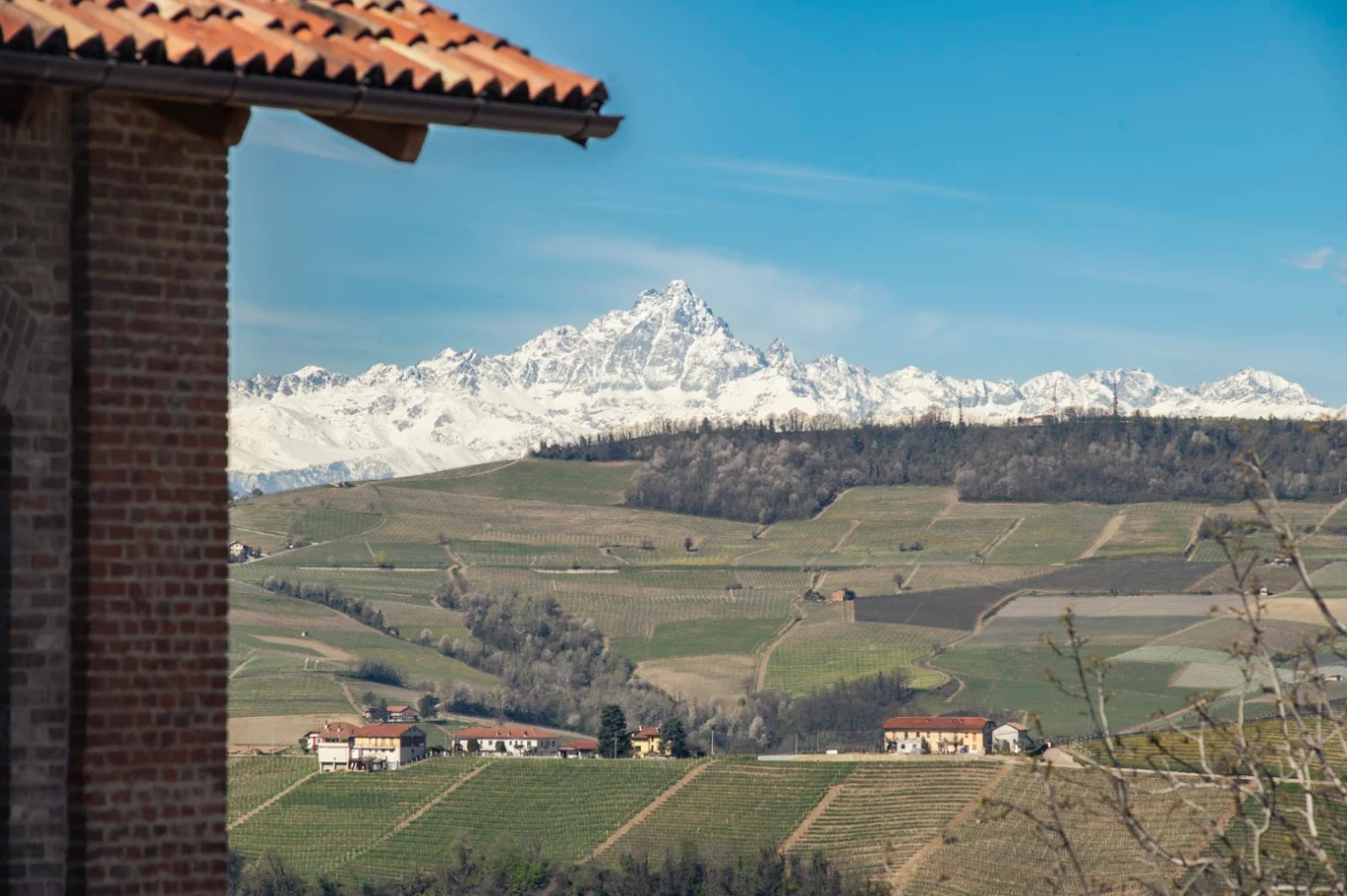
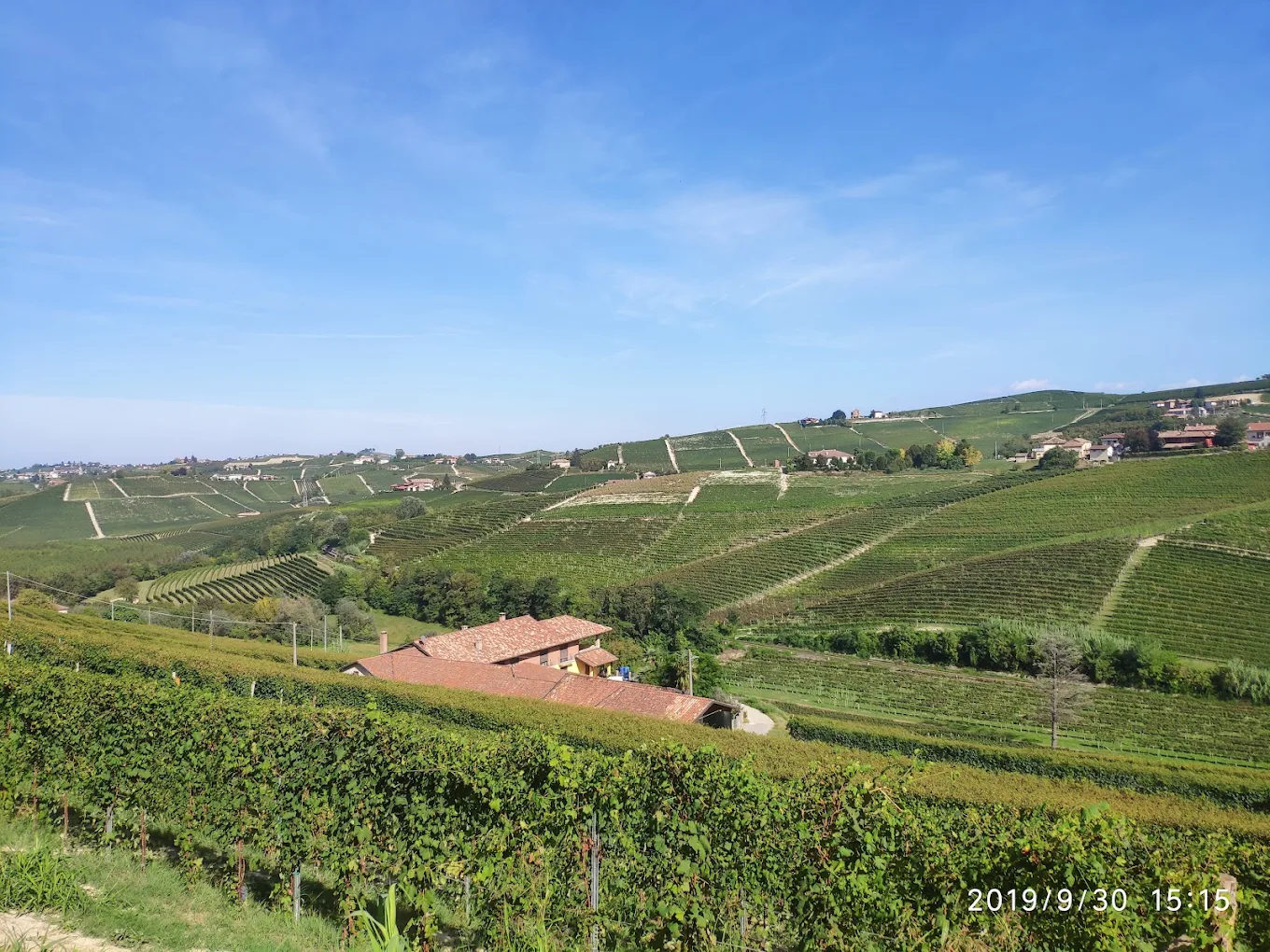
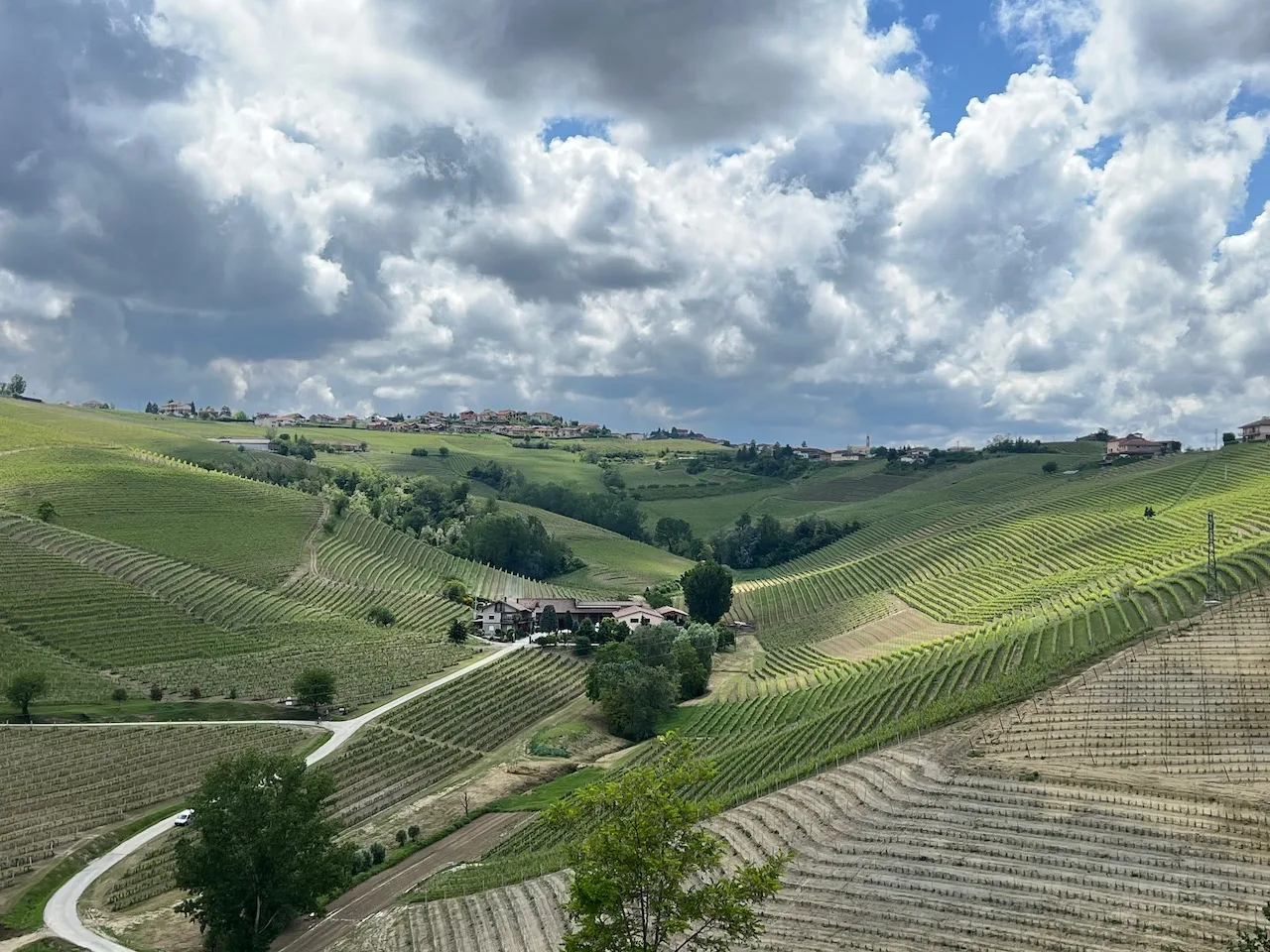
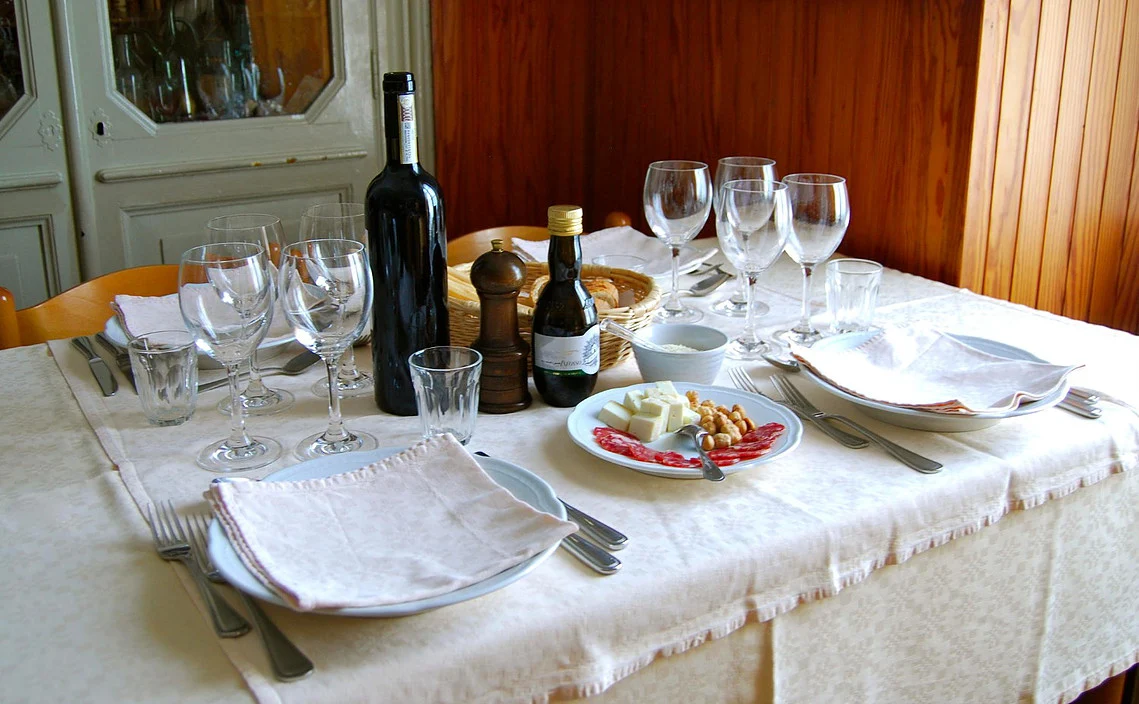
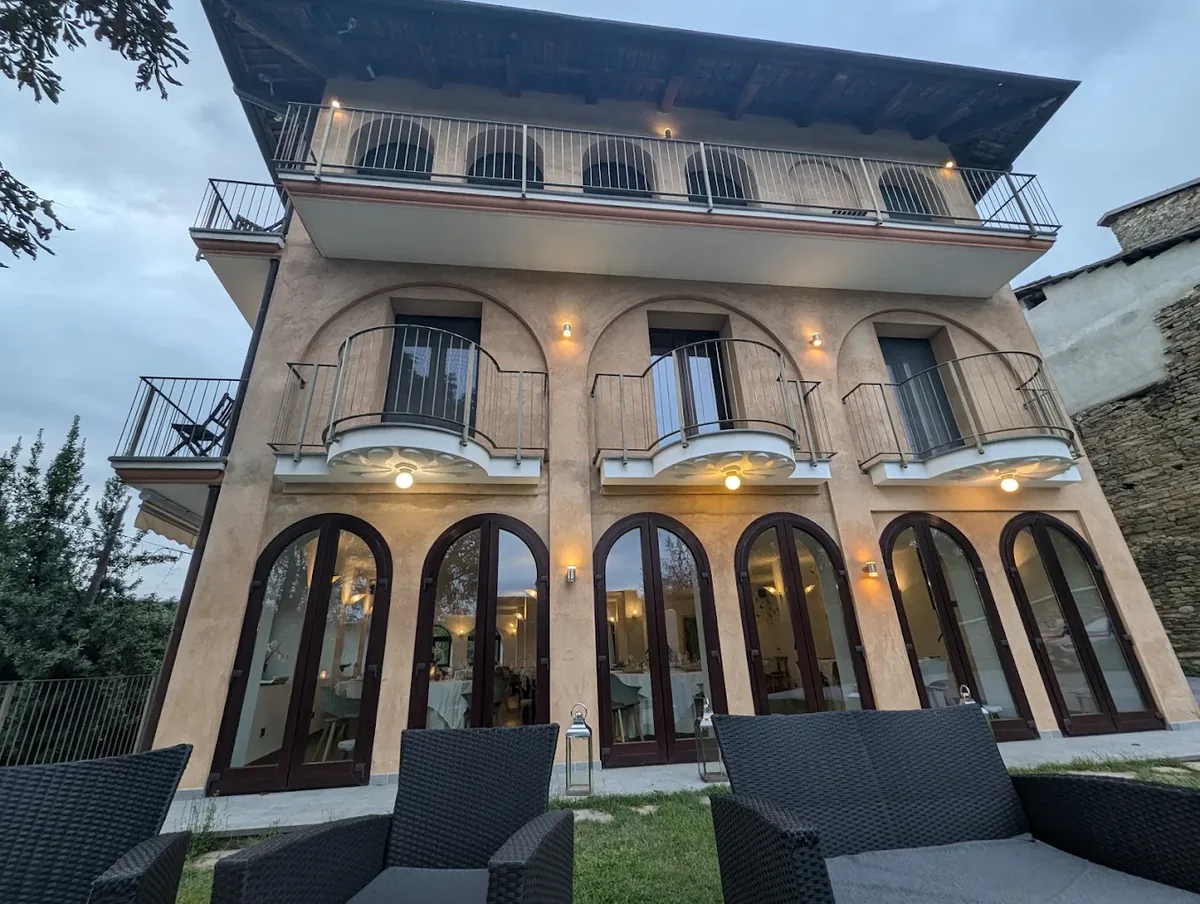
The Langhe, the hills around Alba, are home to Italy's two best-known wines: Barolo and Barbaresco, both from the Nebbiolo grape. The villages are a few kilometres apart, and each has a winery, an enoteca and a trattoria. Below, village by village, where to go.
The region in brief
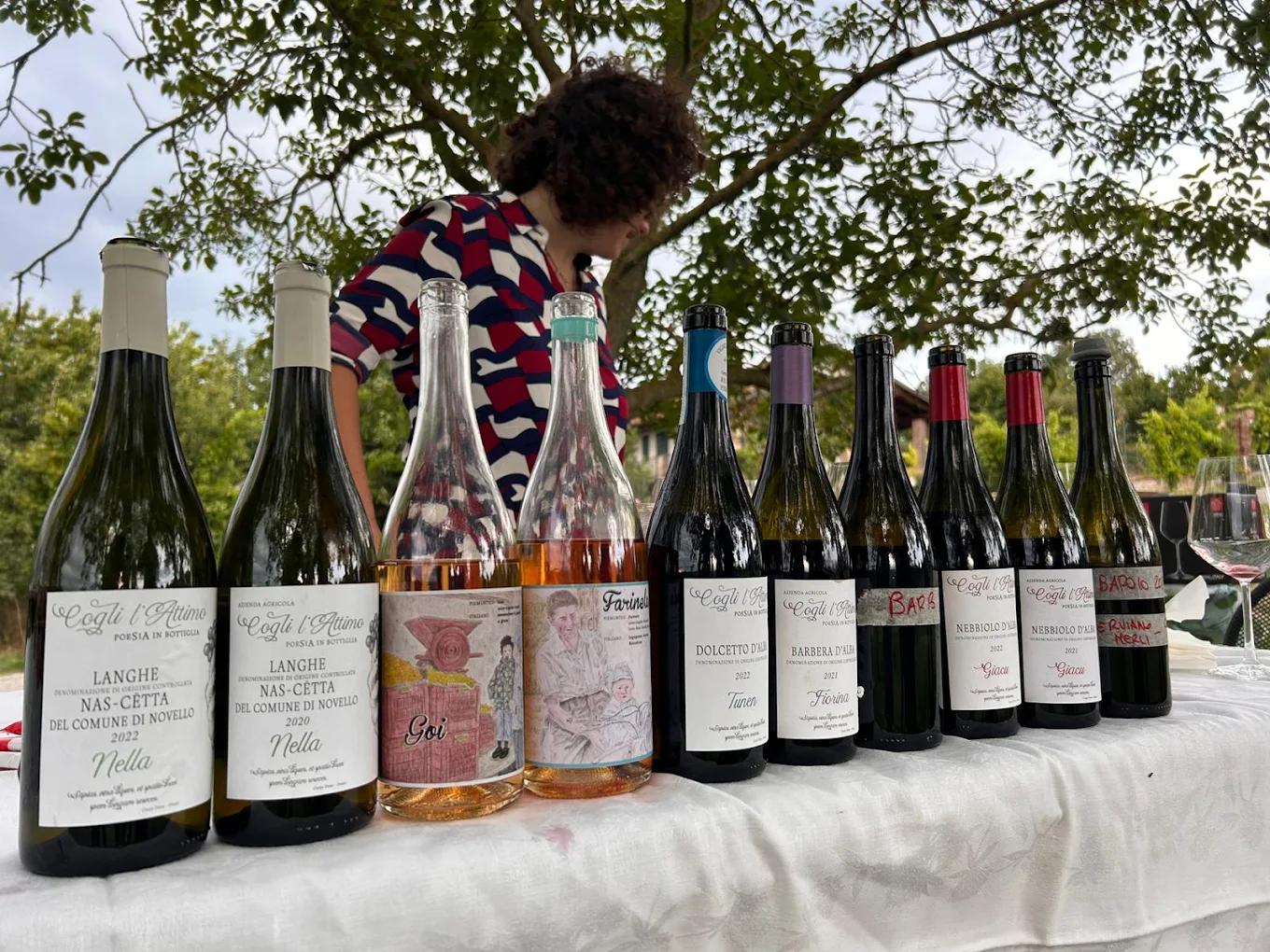
Barolo comes from eleven municipalities south-west of Alba, Barbaresco from three to the east. Barolo is usually more powerful, with more tannin, and needs longer ageing. Barbaresco is often a little more elegant. Within Barolo the villages differ too: wine from La Morra is often softer and more perfumed, from Serralunga d'Alba and Monforte firmer. Besides Nebbiolo, Barbera, Dolcetto and the white Arneis grow here. In Novello they are making the white Nascetta again.
Barolo and La Morra
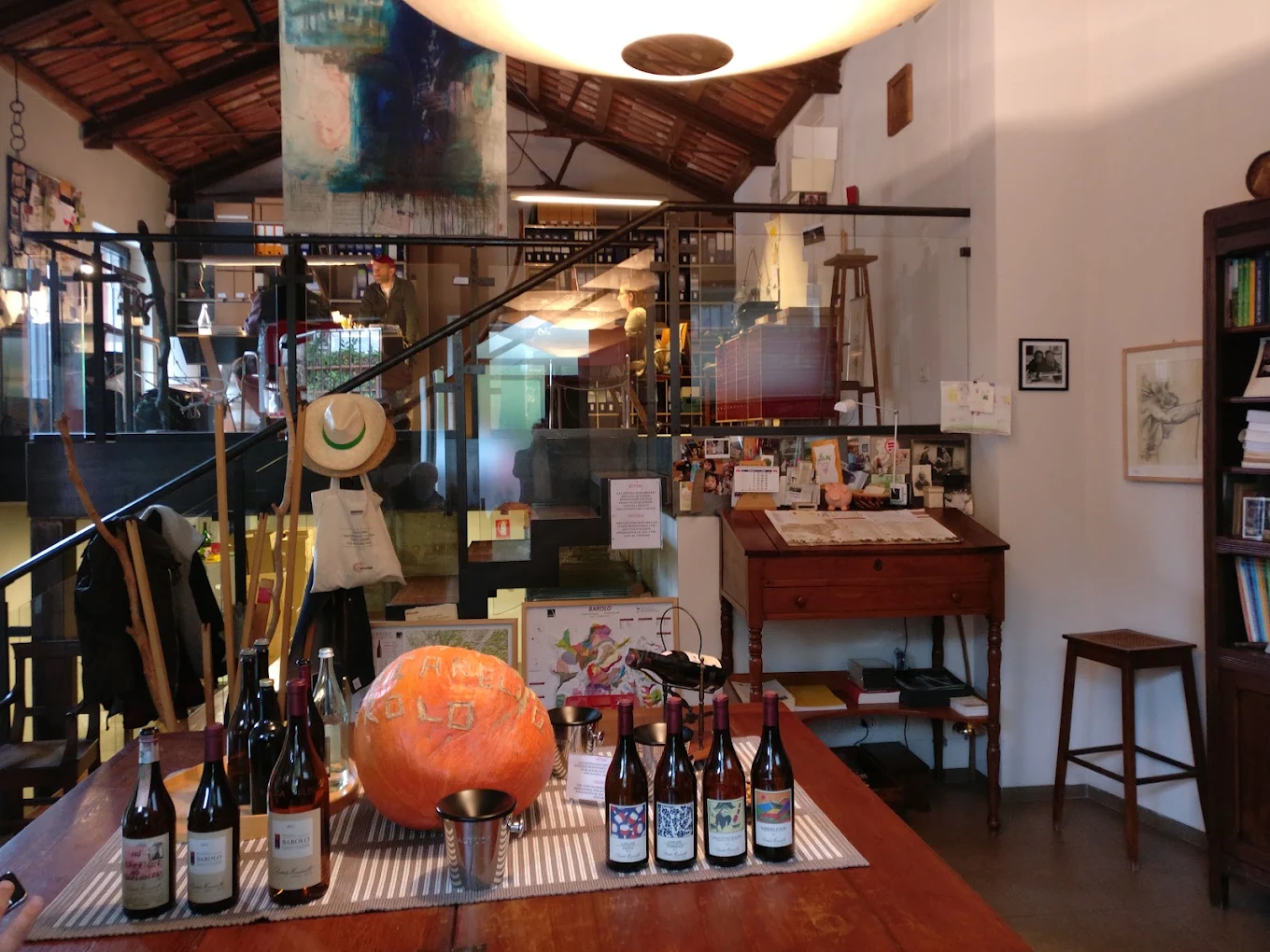
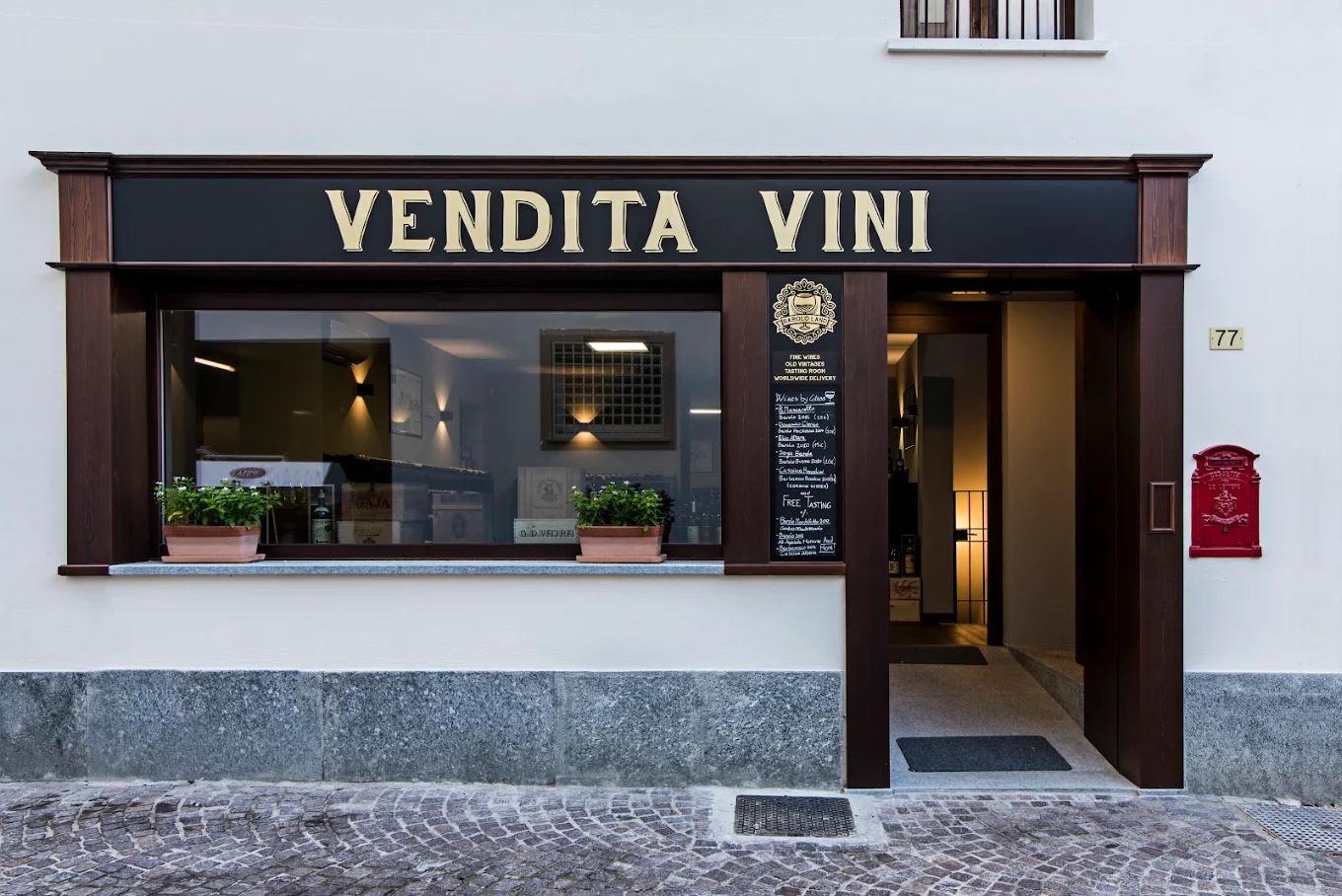
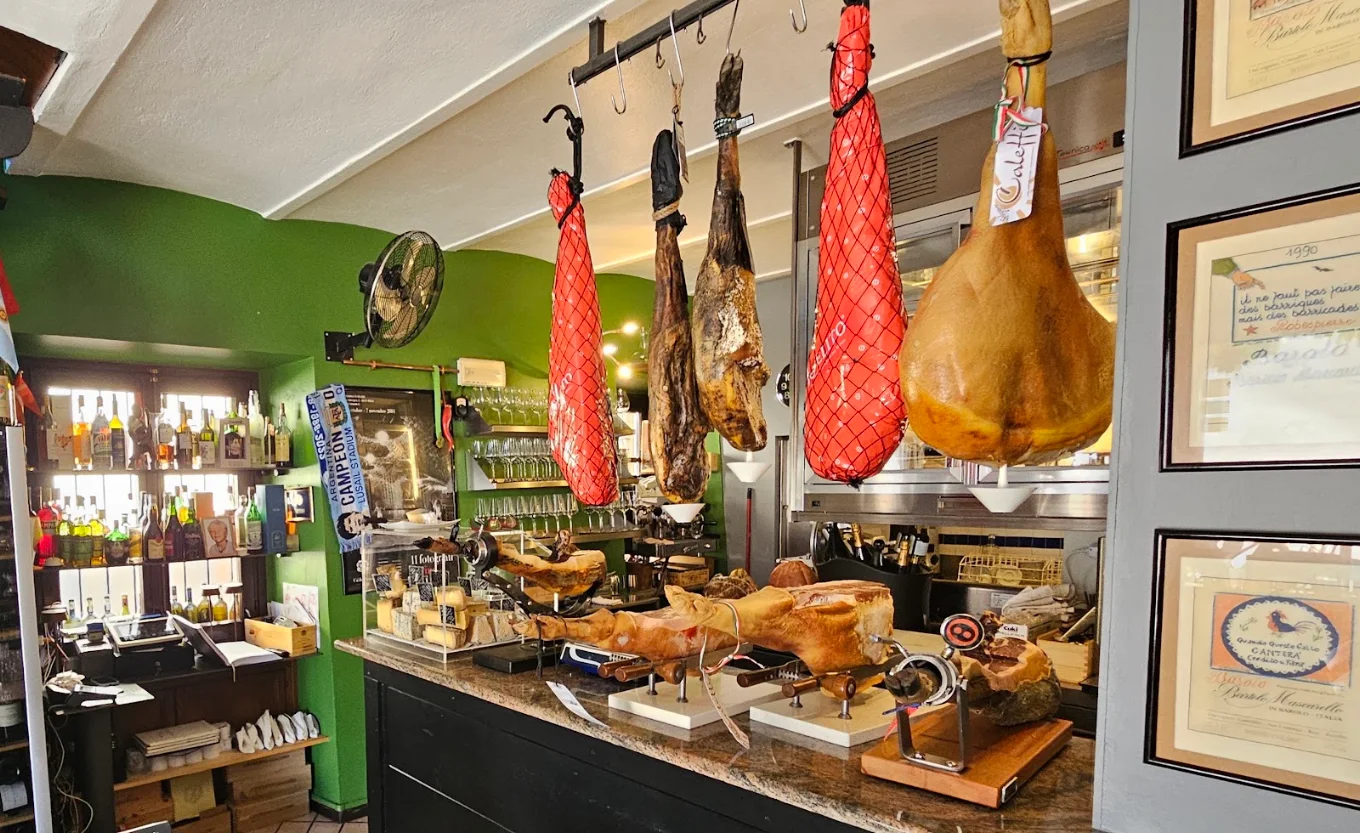
In the village of Barolo is Cantina Bartolo Mascarello, the house of the region's best-known traditionalist, now run by his daughter Maria Teresa. On the Via Roma, Vinoland has wines from large and small producers, including older vintages of twenty to thirty years. In the middle of the Cannubi cru lies Locanda in Cannubi, with around 825 wines and three pages of Barolo Cannubi from different producers. That way you taste the vineyard you are looking at.
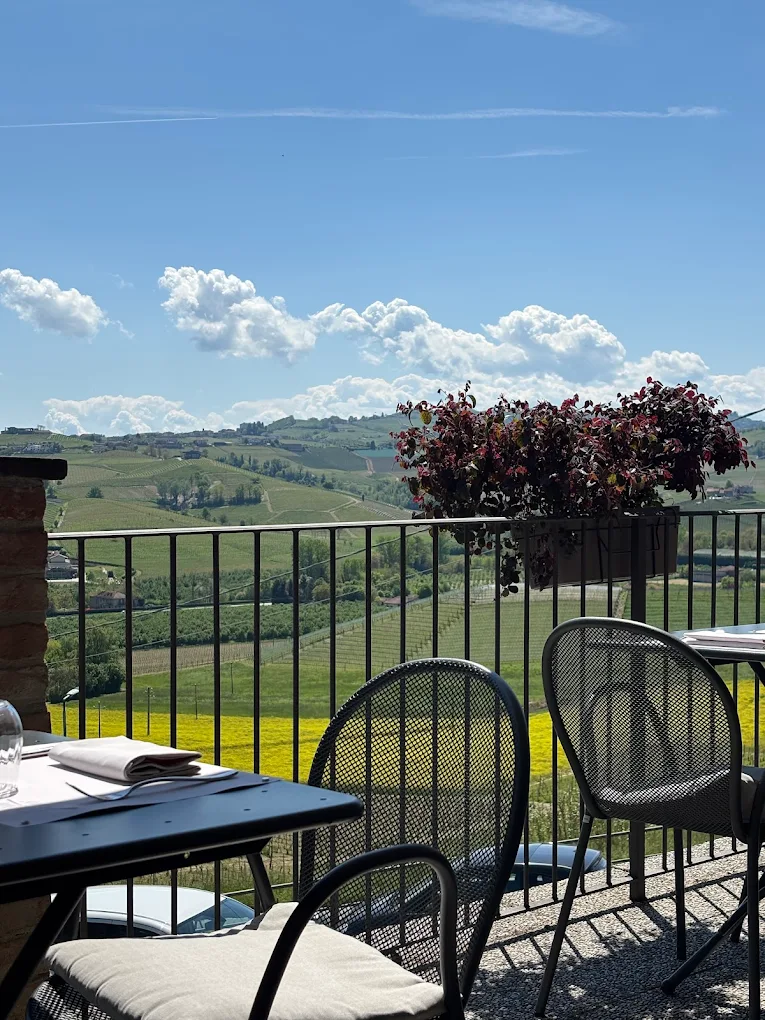
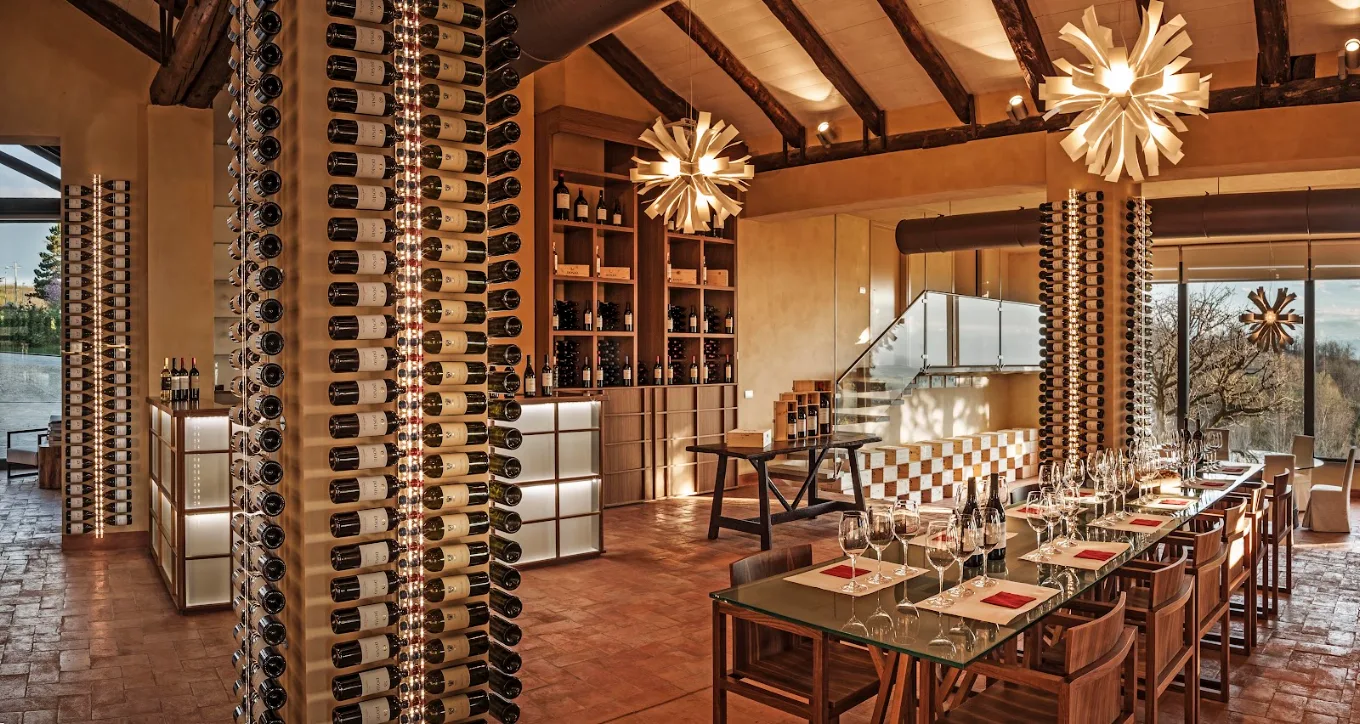
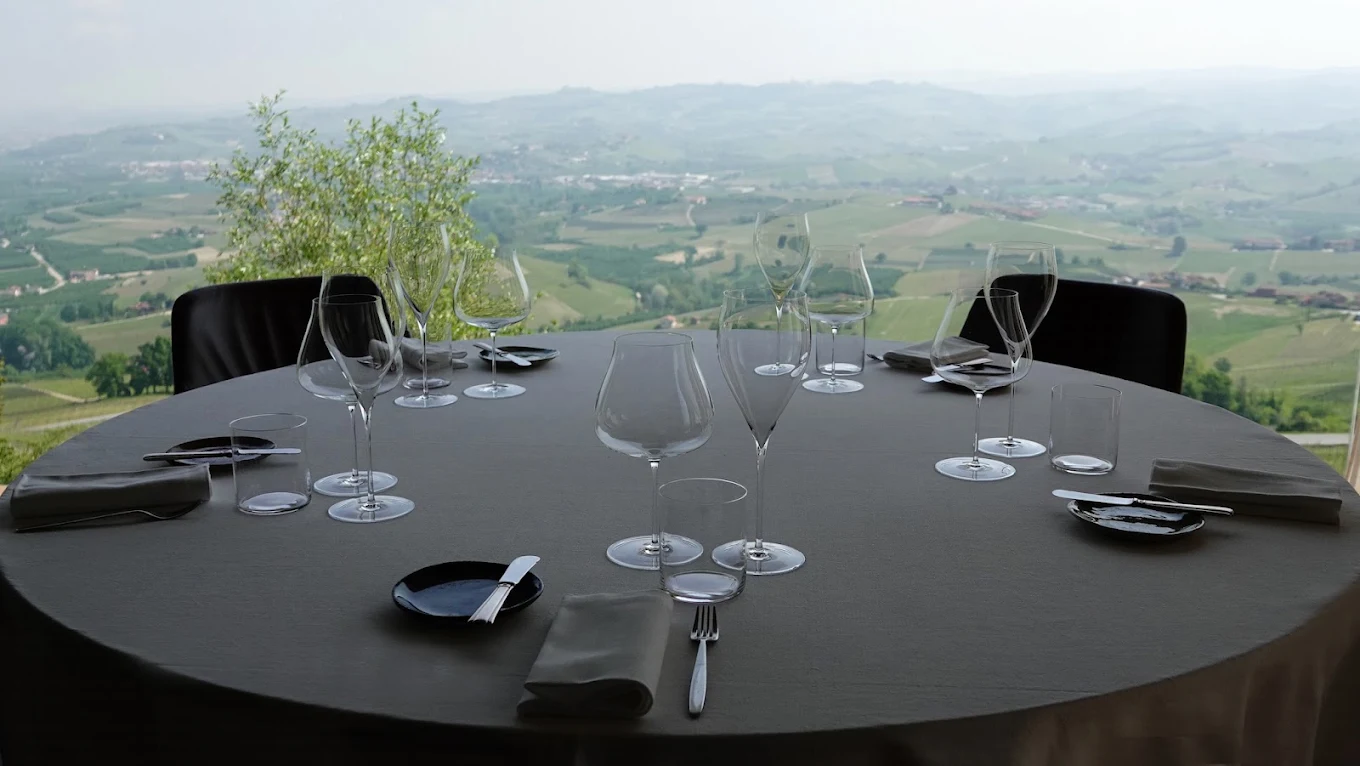
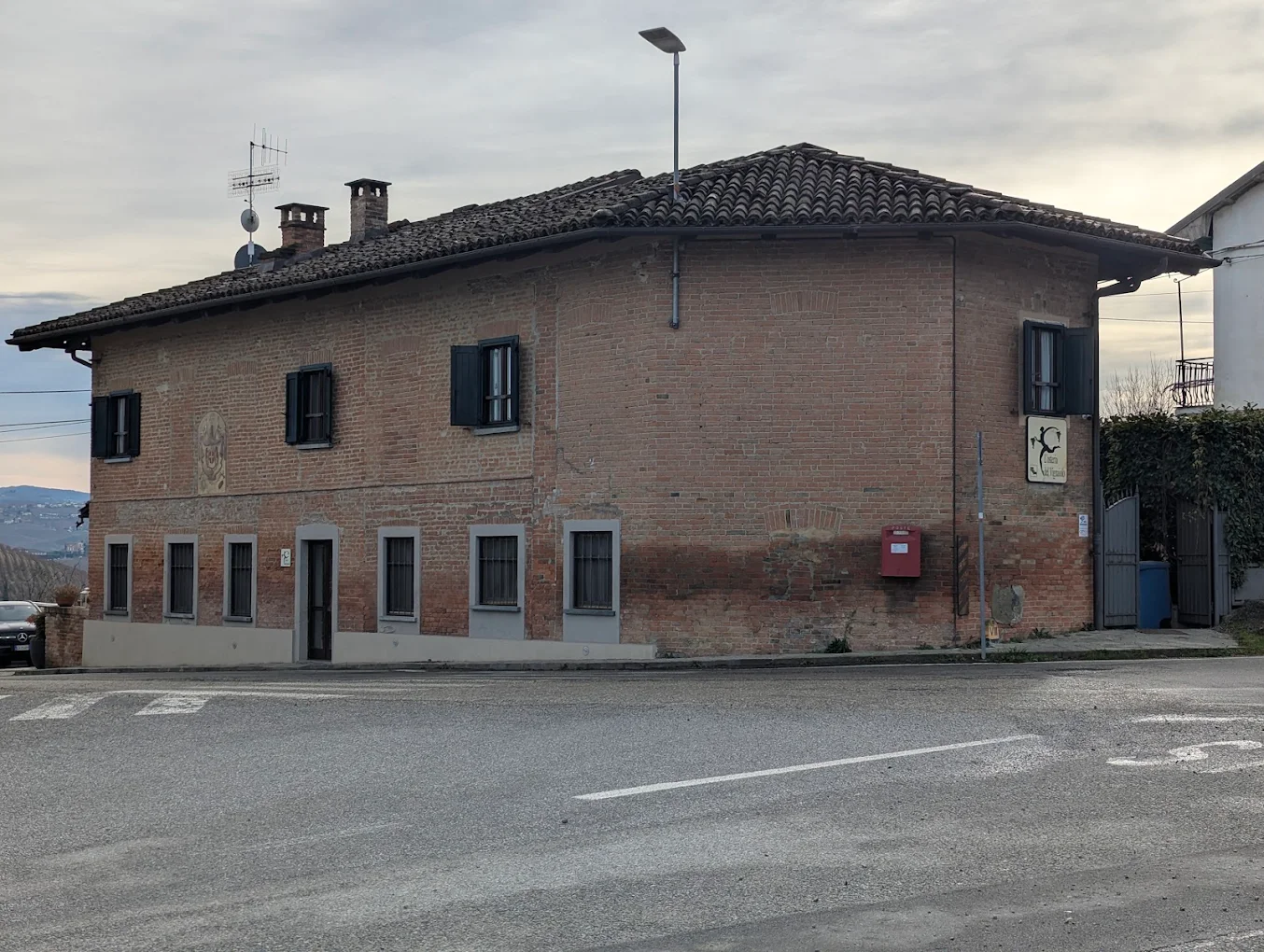
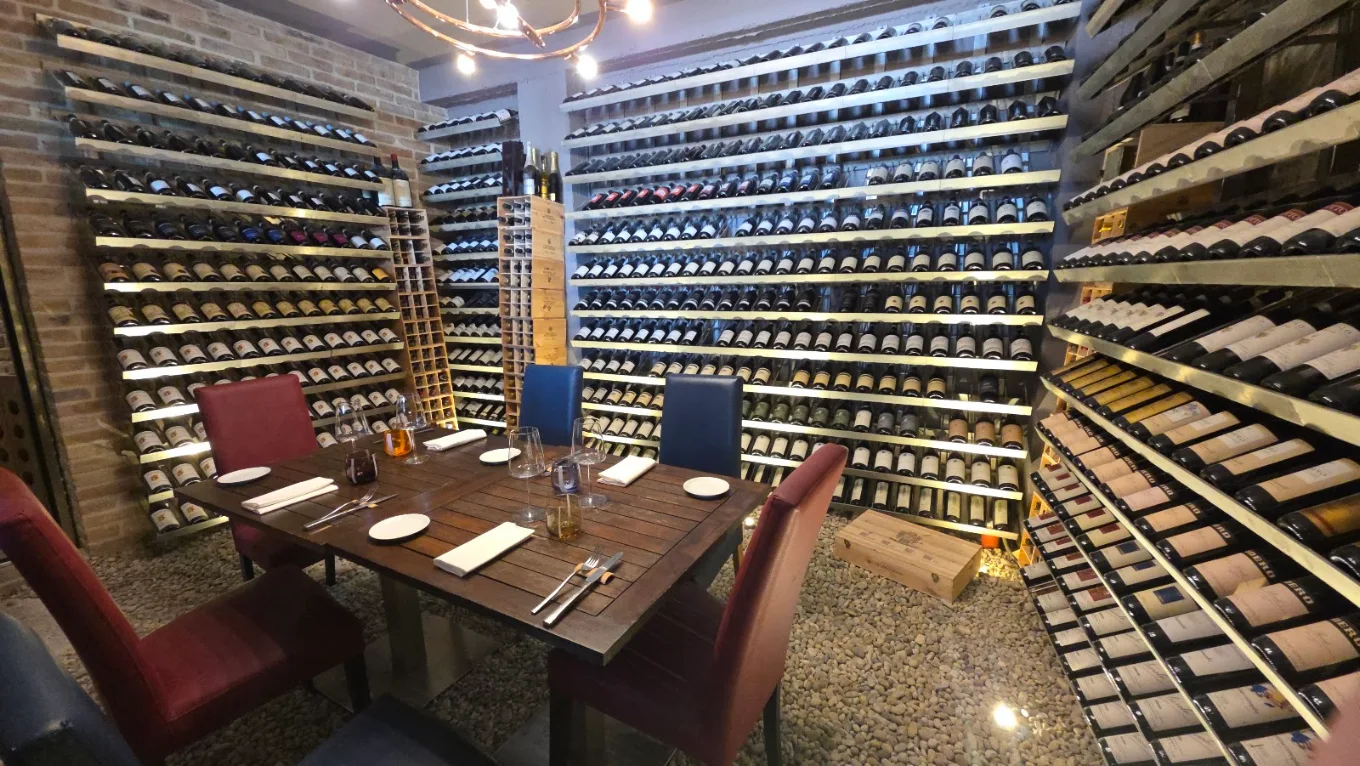
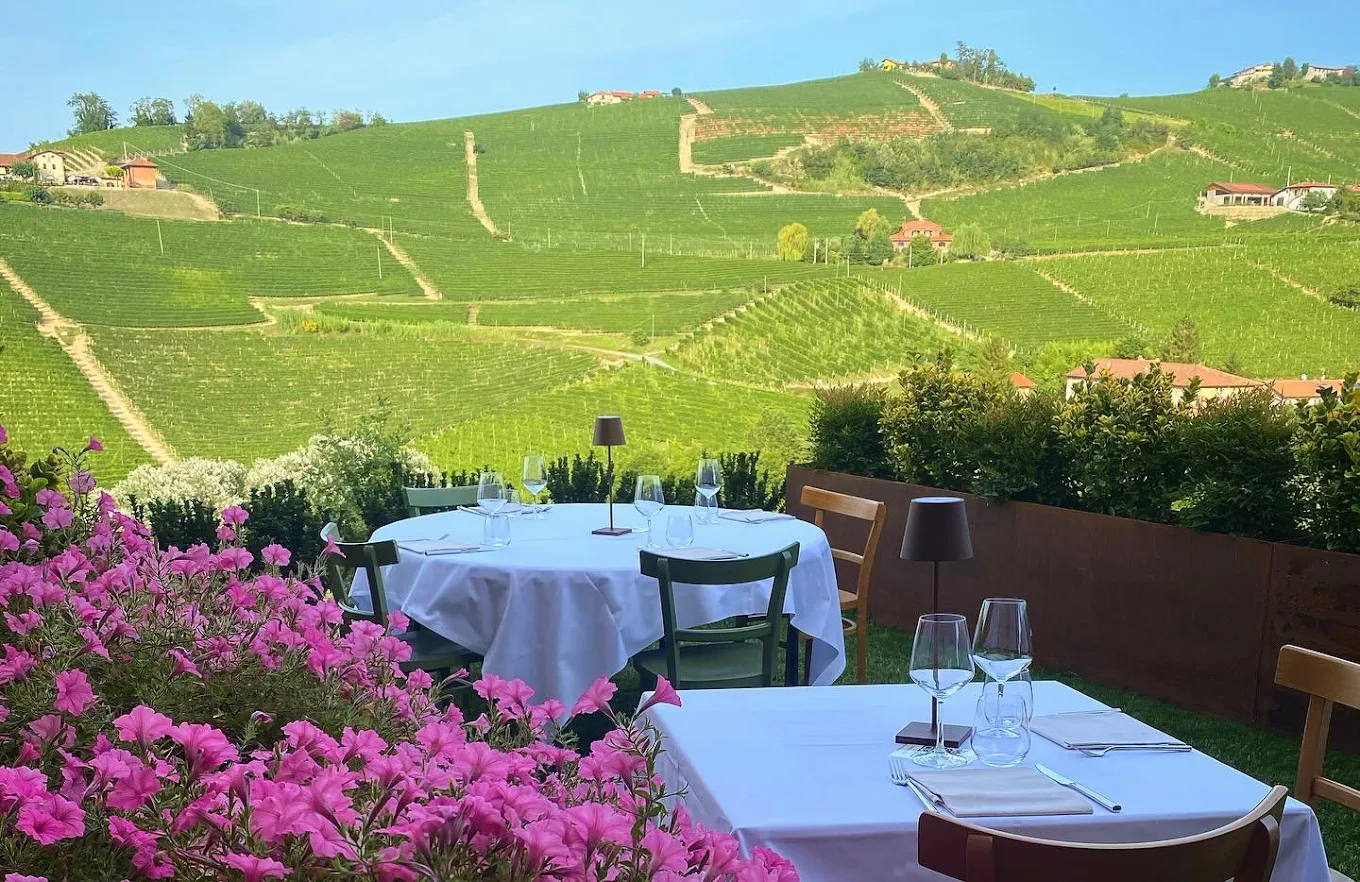
In La Morra, Osteria Veglio has a terrace looking out over Barolo. The owner sometimes brings older vintages up from the cellar for the same price. Mauro Molino in Annunziata makes Barolo in a modern style, a good introduction. Dosio lies at 500 metres, the highest point in Barolo. For fine dining, go to Belsit, with a cellar in the style of Gaudí. For traditional food, go to L'Osteria del Vignaiolo.
Monforte, Castiglione Falletto and Serralunga
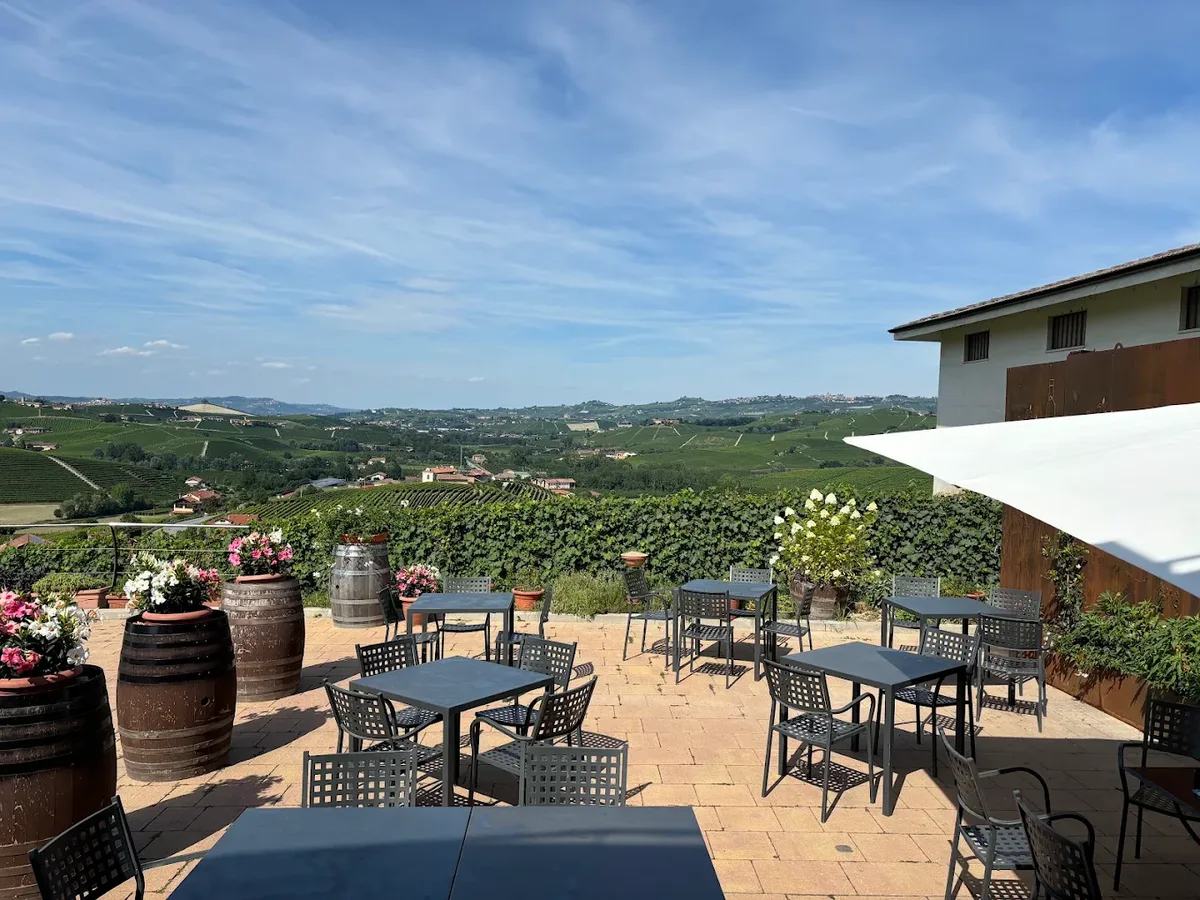
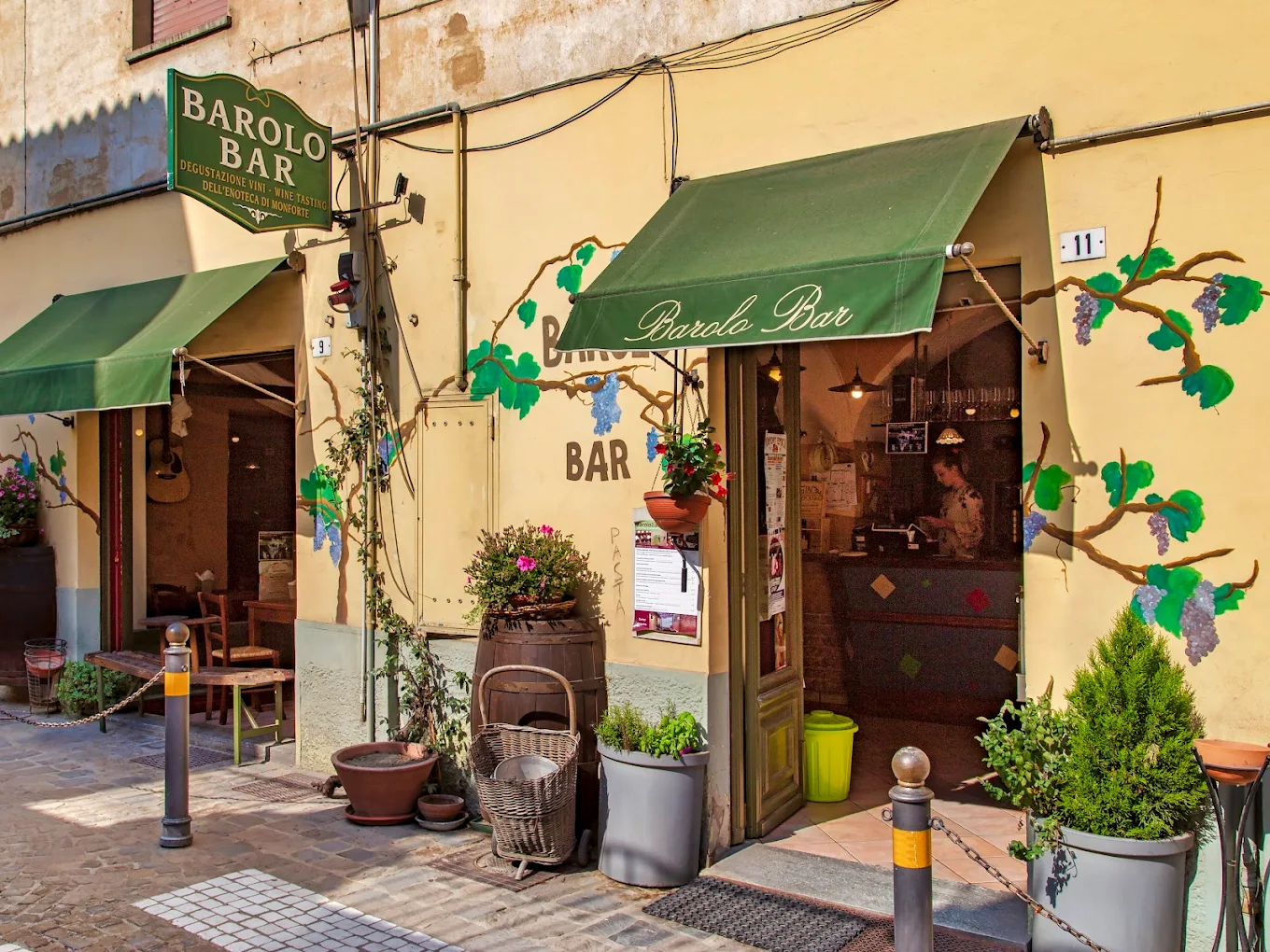
In Monforte d'Alba, at Barolo Bar on the market square, you drink a glass with antipasti, with a roof terrace opposite. In Castiglione Falletto, Casa Sobrero has a tasting room and a terrace with views from La Morra to Serralunga. Le Torri on the village square looks out over the vineyards.
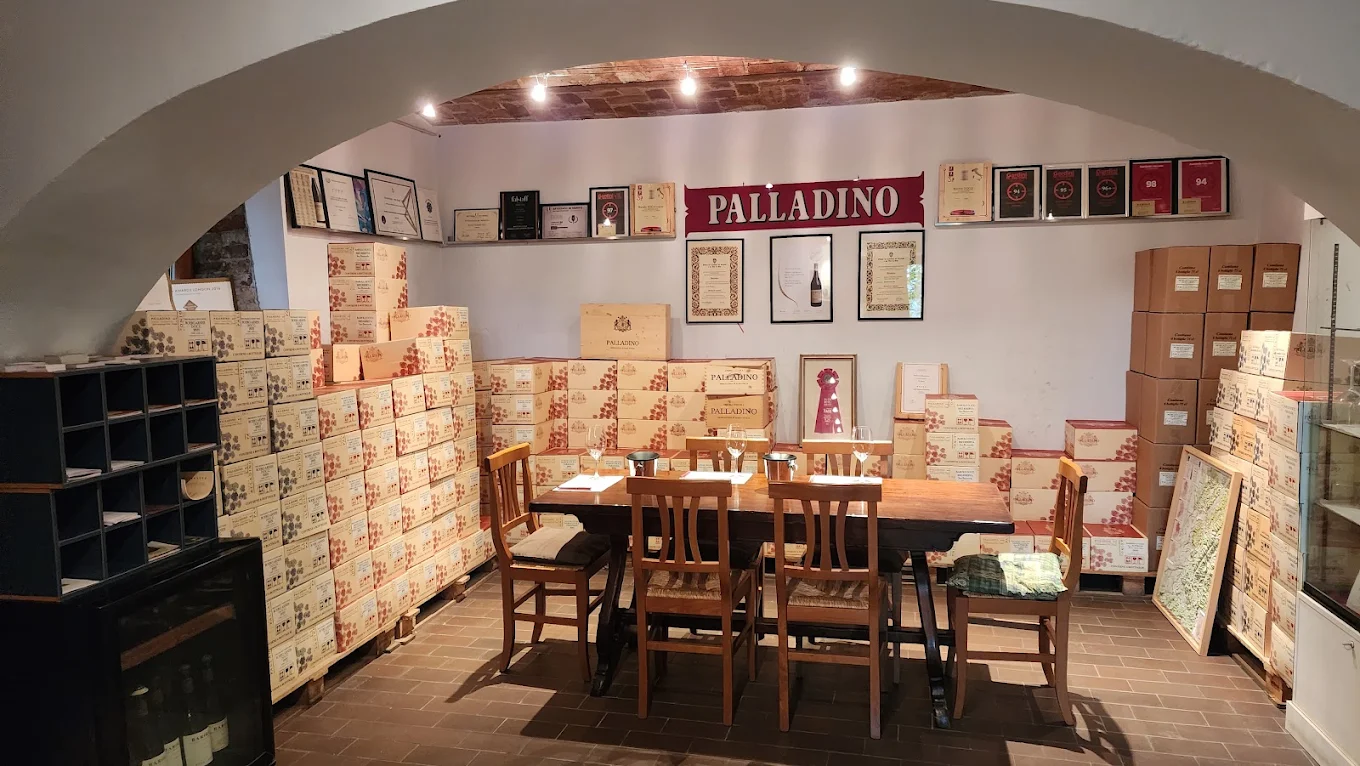
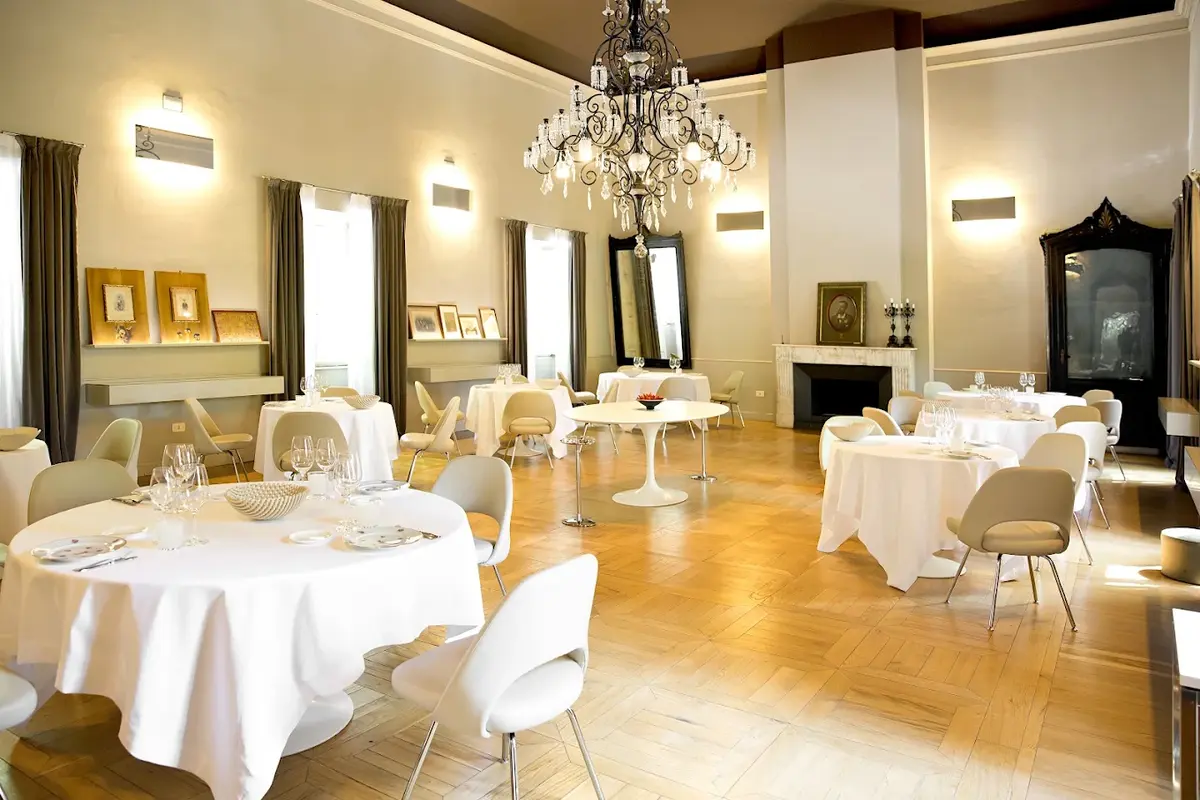
In Serralunga d'Alba, Palladino makes Barolo from its own vineyards in crus such as Vigna Rionda and Cerretta. After 35 years at Vietti, Elena Penna and Luca Currado started a new estate there: Penna-Currado. Below the castle, Vinoteca Centro Storico has three antipasti, three primi and three secondi every day. On the Fontanafredda estate, Ugo Alciati cooks at Guido, with a Michelin star and his mother's agnolotti del plin.
Novello and Verduno
Novello is the quietest Barolo village. At Langotto, sommelier Elisa Andreotti helps you choose. Ask for a glass of Nascetta and a Barolo from the Ravera cru. At Cogli l'Attimo you taste at picnic tables under big trees, without a cellar or reception. In Verduno, the least-known Barolo village, the brothers of Fratelli Alessandria welcome you in an old stone winery.
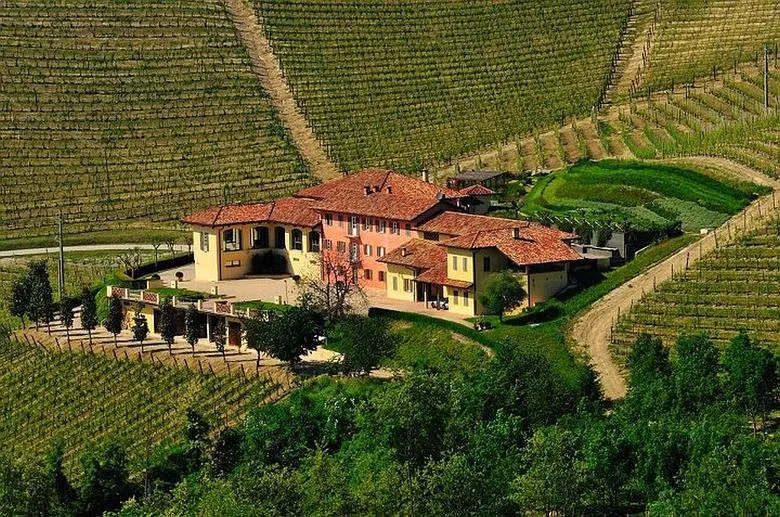
Barbaresco, Neive and Treiso
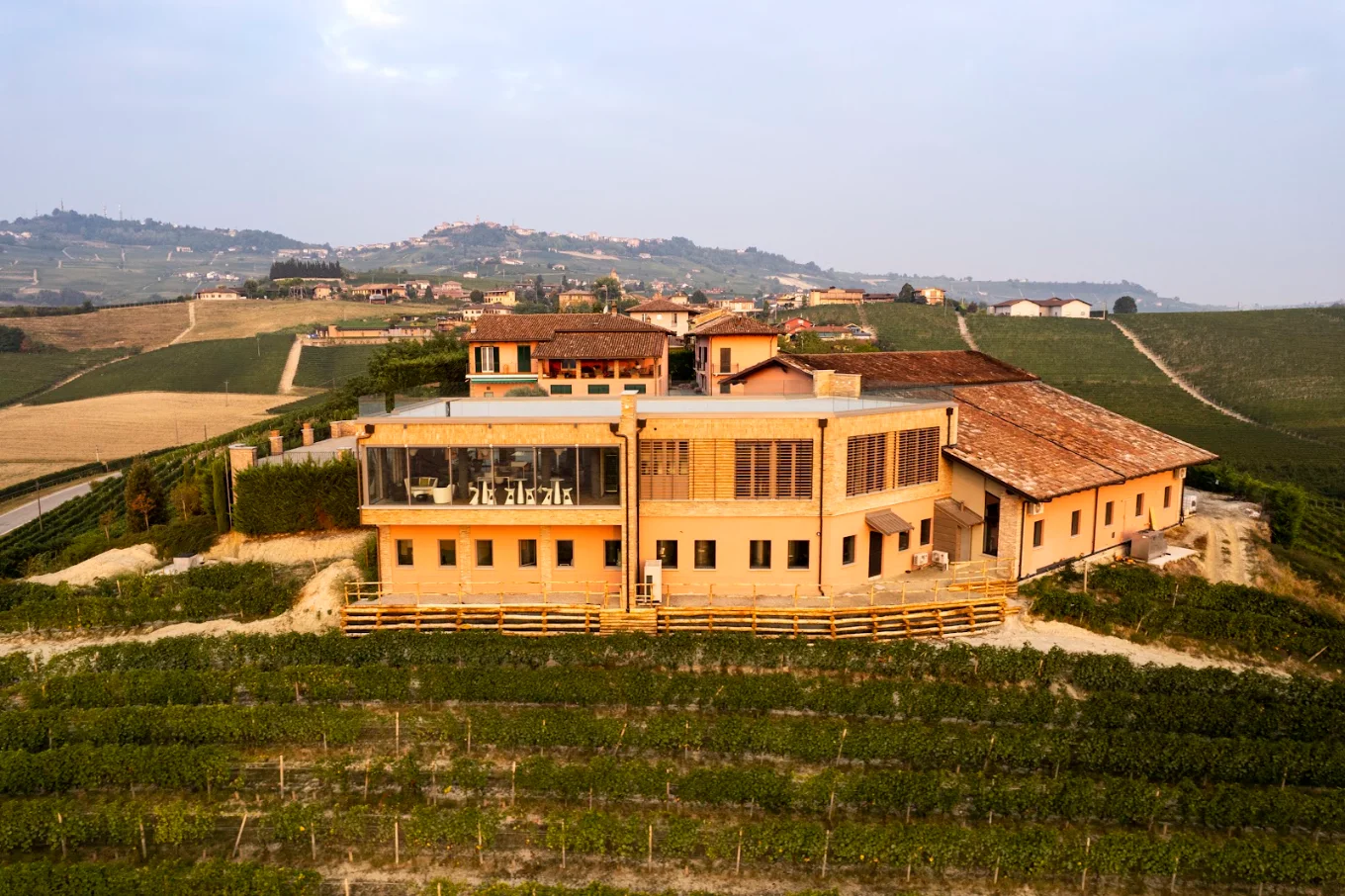
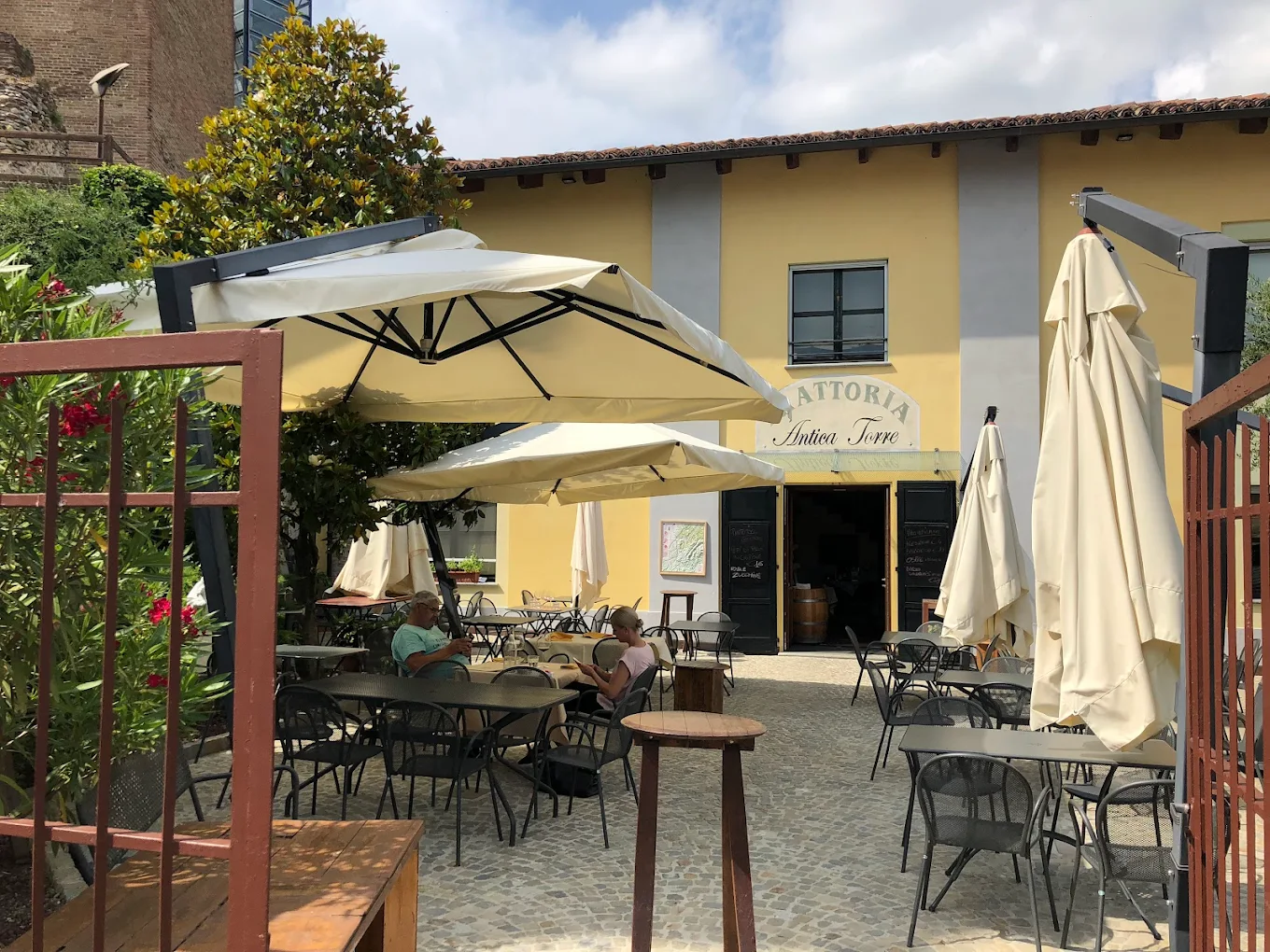
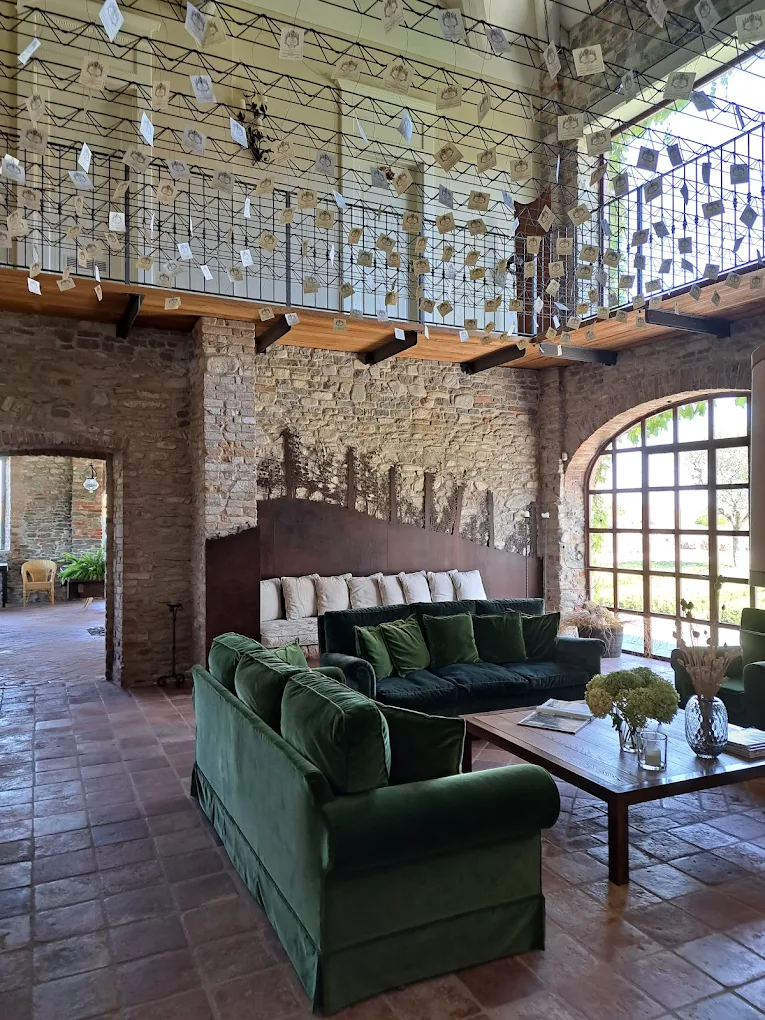
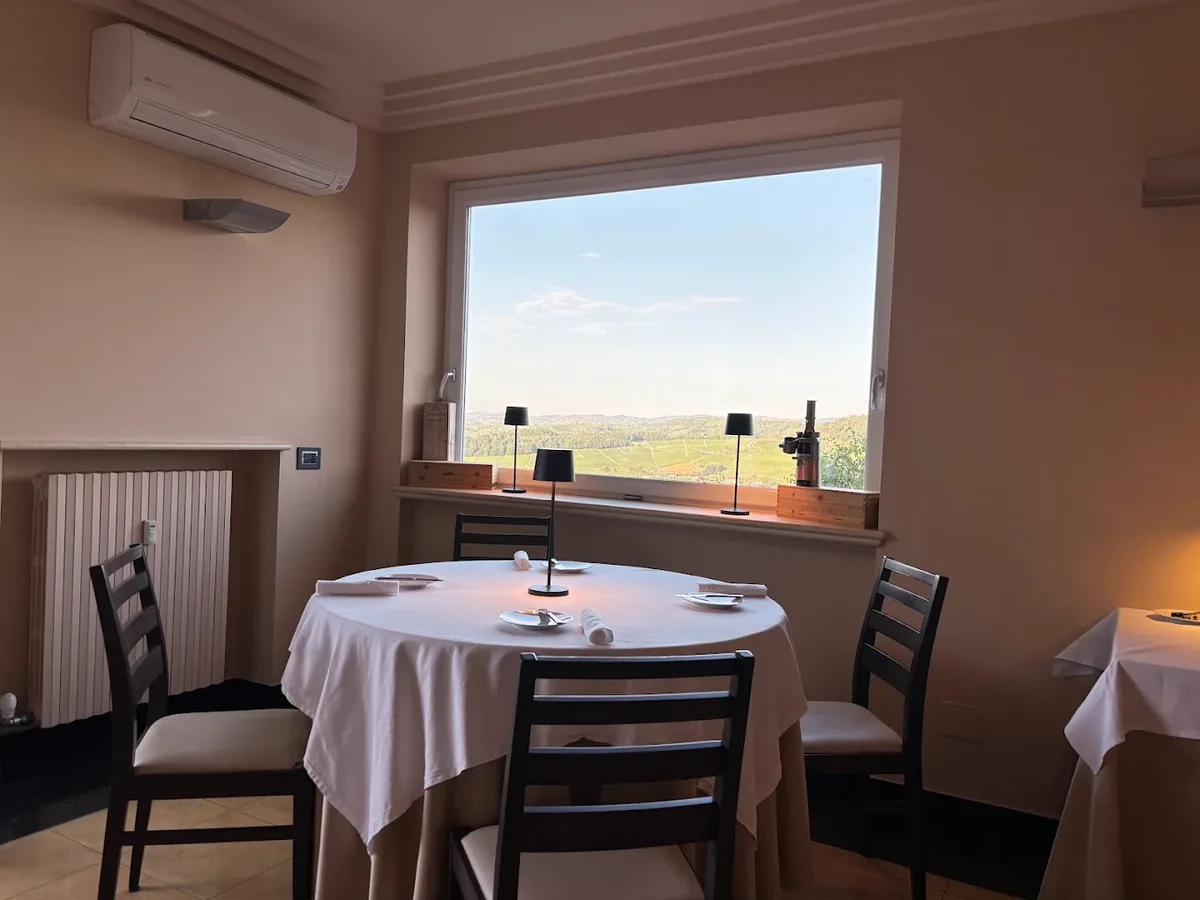
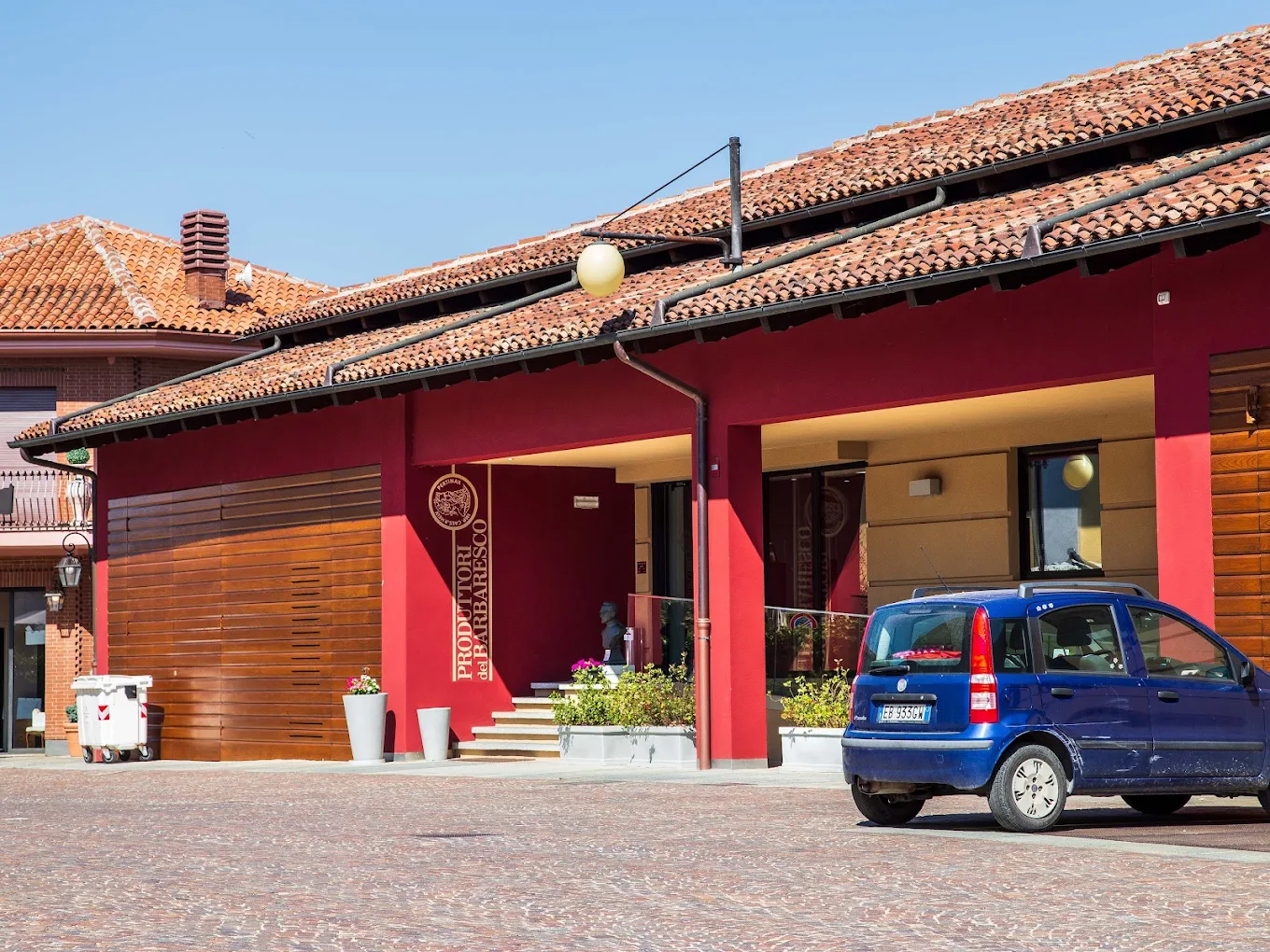
In Barbaresco, Produttori del Barbaresco is a cooperative of 53 growers, founded in 1894. Marchesi di Grésy has owned the Martinenga vineyard since 1797. Ronchi is a small family estate with seven hectares. You eat at Antica Torre, a family restaurant with rabbit, truffle and pasta.
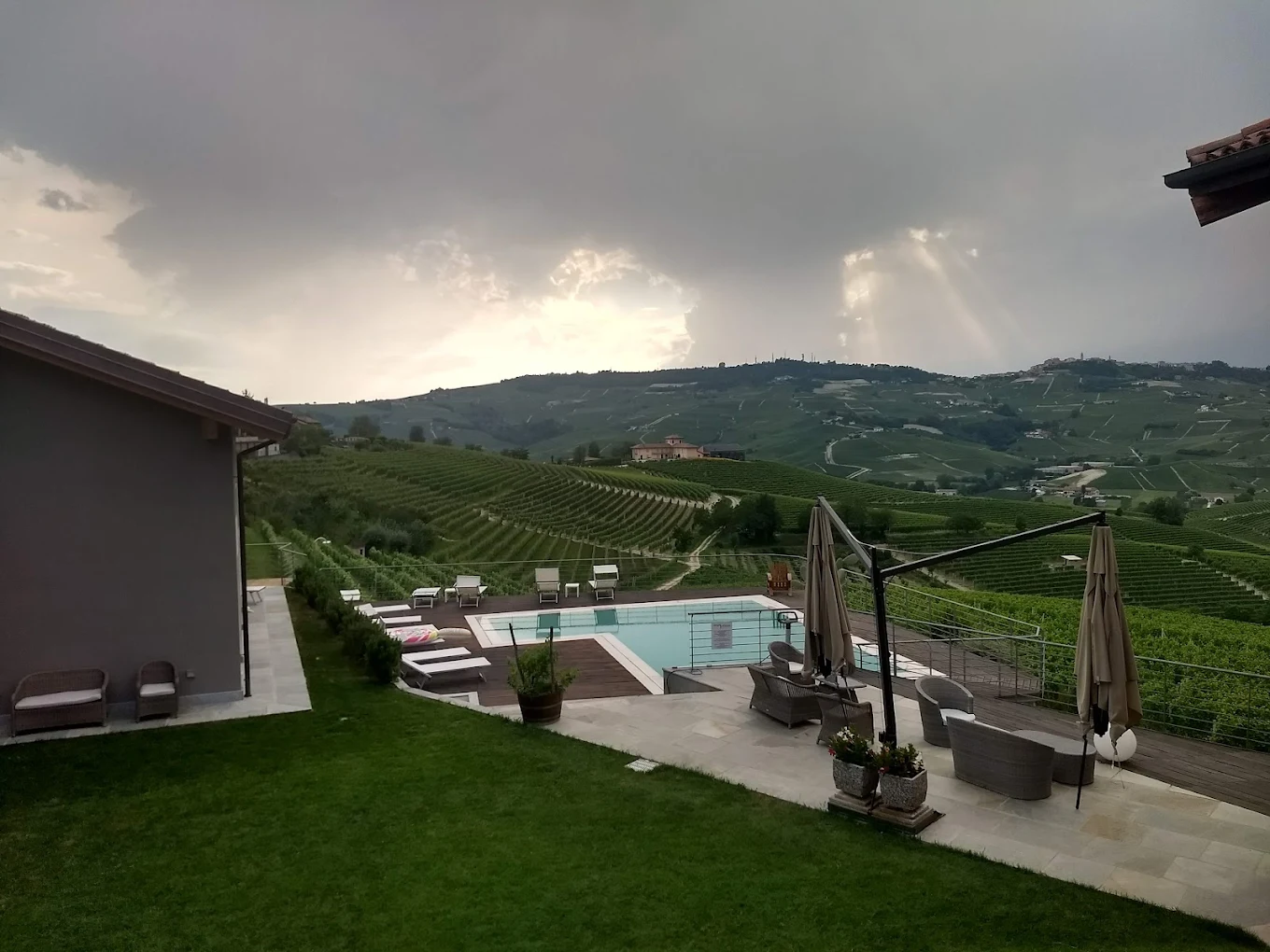
In Neive, Al nido della Cinciallegra on the village square is the oldest enoteca in the village, full of local wines. In Treiso, Ca' del Baio lies in a natural amphitheatre of vineyards, and Villa Garassino is an agriturismo looking out over Barbaresco.
Alba and the surroundings
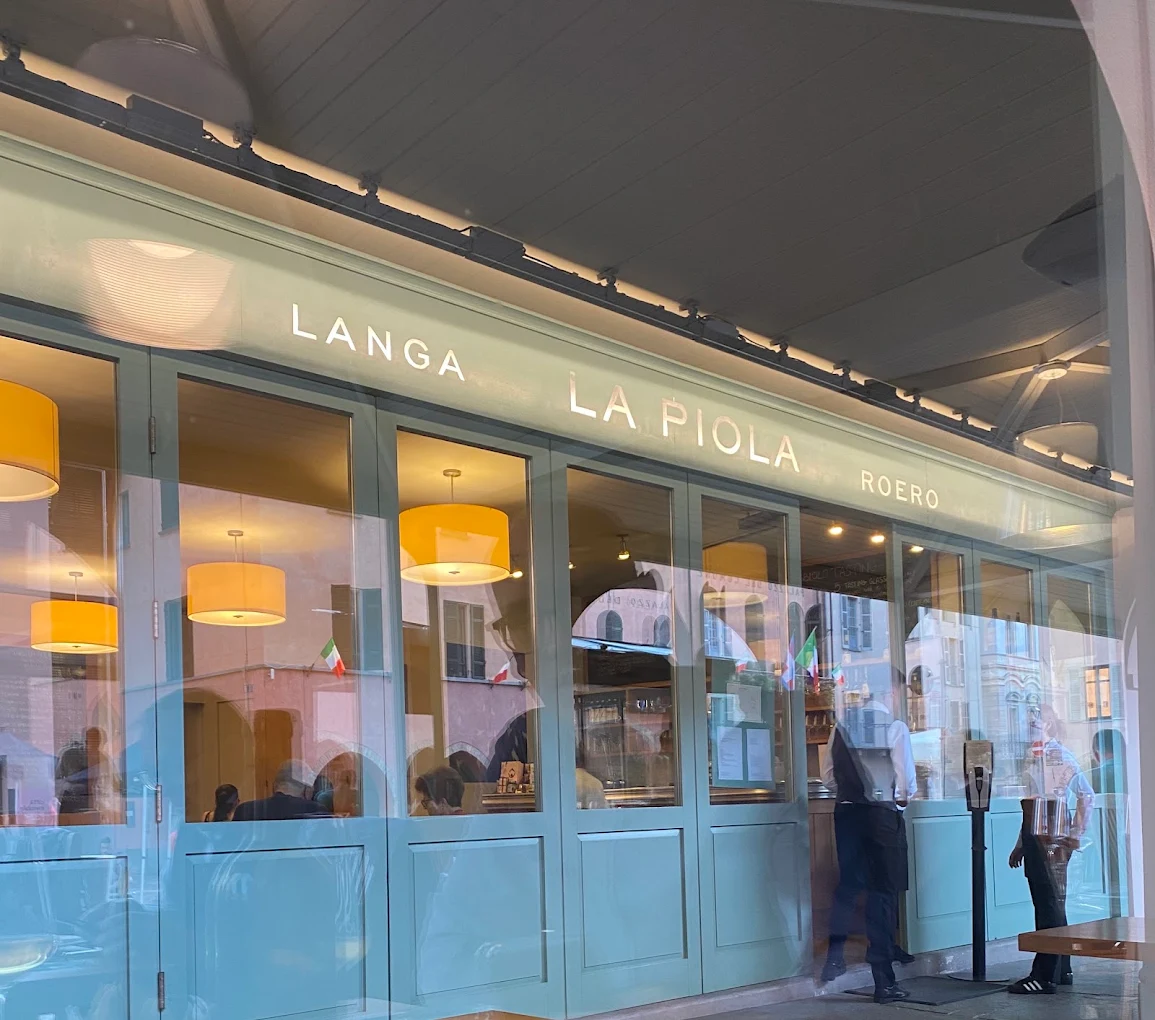
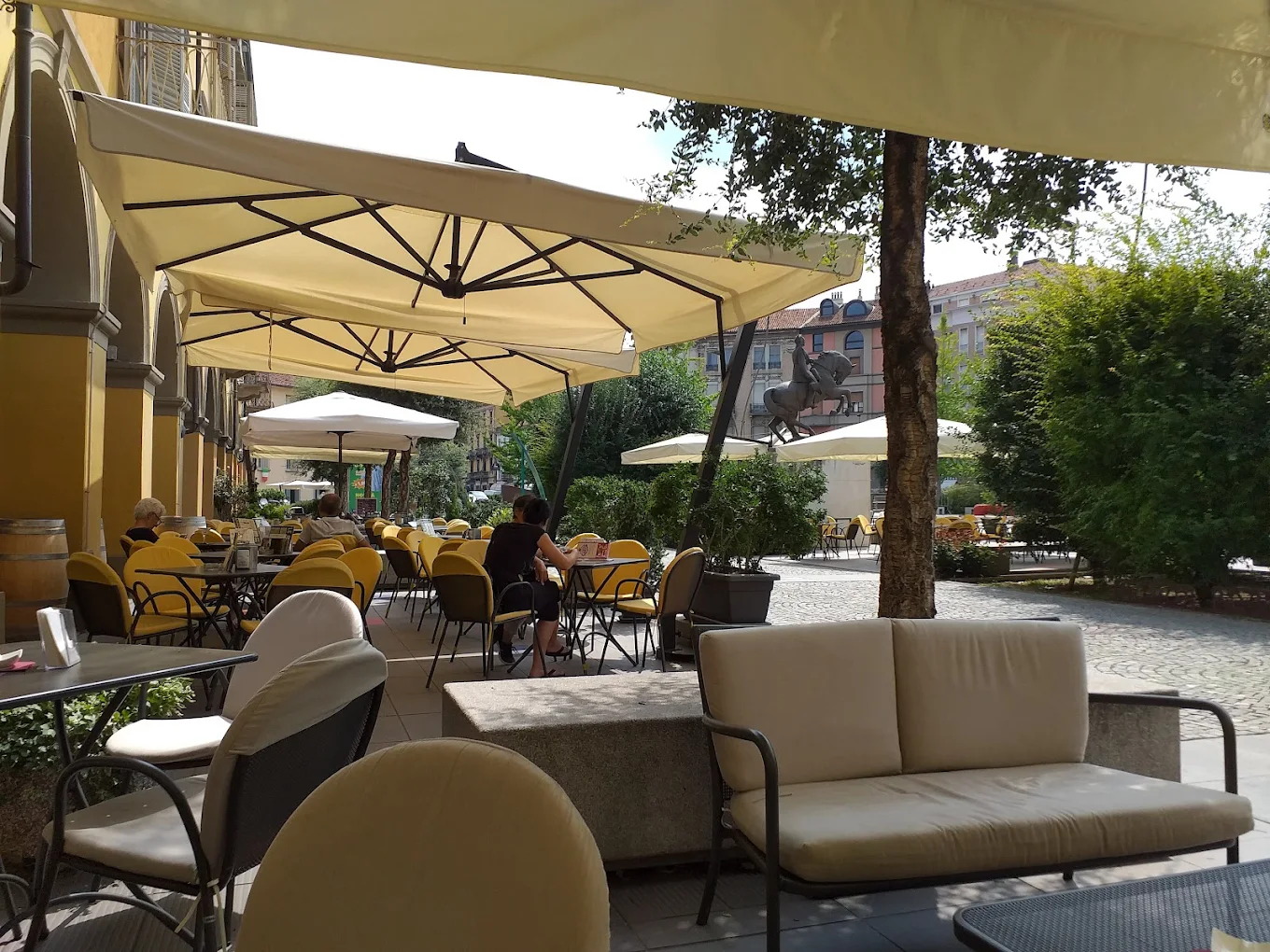
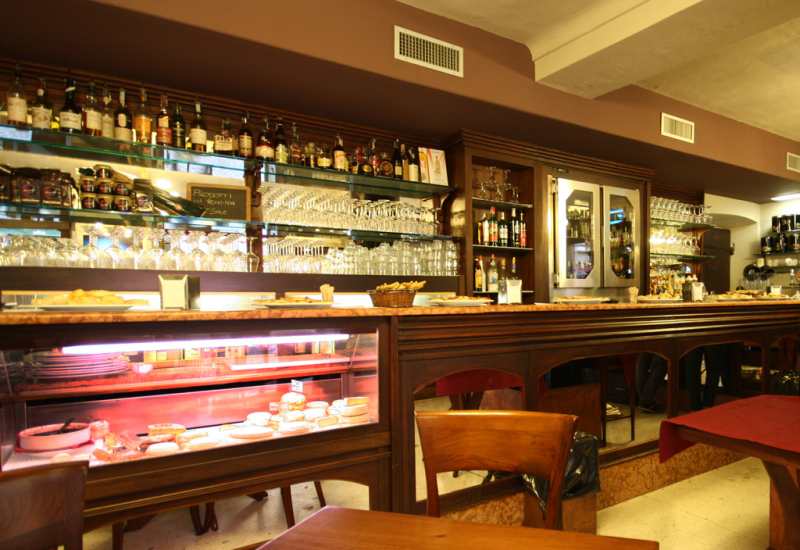
In Alba, Vincafè on the Via Vittorio Emanuele pours more than sixty Piedmontese wines. La Piola on the Piazza Risorgimento is the Ceretto family's simple restaurant, opposite the cathedral. On the Piazza Michele Ferrero the Sarotto family has a wine bar: Roberto Sarotto. A little further away are Poderi Luigi Einaudi in Dogliani, where you can also stay, Trattoria del Peso in Belvedere Langhe, where you eat whatever is cooking that day, and Le Piemontesine in the Alta Langa.
Tip
Come in autumn for the white truffle of Alba, or in spring when it is quieter. At most wineries you need to book ahead. All addresses are also in the Piedmont guide.